

Cuba Nationwide Blackout After National Grid Collapse
Executive Summary
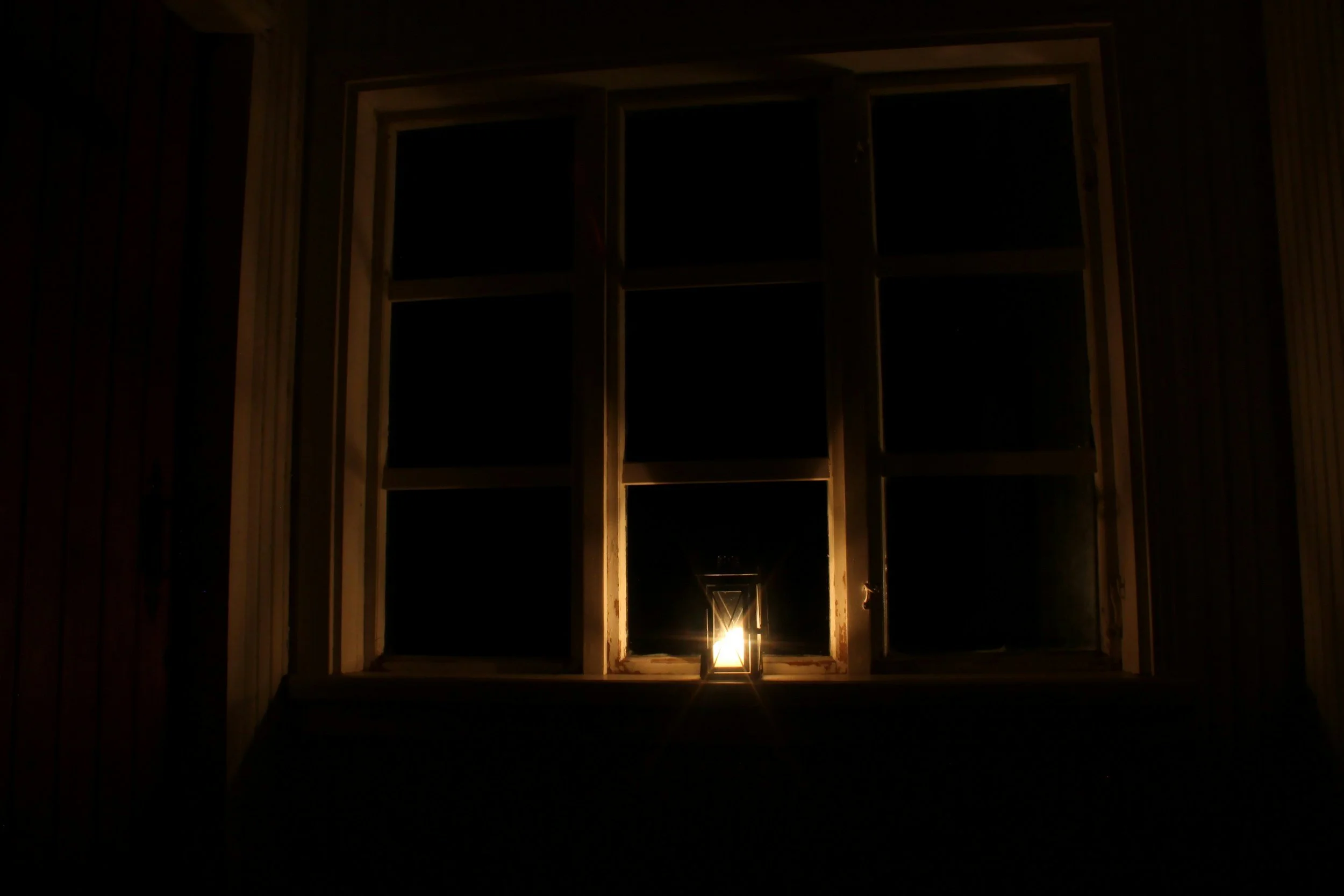
Cuba suffered a nationwide blackout on March 16, 2026 after the national electrical system disconnected/collapsed, leaving roughly 10–11 million people without power. Authorities began restoring power through “microsystems” and priority circuits, but warned the grid remains fragile and restoration could be uneven. The outage lands amid a deep fuel shortage, aging generation plants, and repeated major blackouts over the past four months.
Analysis
The March 16 blackout was described by Cuban officials as a complete disconnection of the national electric system. Initial restoration efforts prioritized Havana and critical services like hospitals, using small “islands” of generation to re-energize parts of the grid, but officials cautioned that newly restored circuits could drop again.
The event fits a repeat-failure pattern rather than a one-off accident. Reporting describes this as the third major blackout in roughly four months, following earlier large-scale outages in early March. In the March 4 incident, Cuba’s utility attributed widespread loss of power to an unexpected outage tied to the Antonio Guiteras thermoelectric plant and related grid failures, with the country later reconnecting the system after roughly 16 hours.
Several drivers are recurring across reporting:
Fuel constraints: Cuban leadership said the island has gone months without regular oil shipments, forcing reliance on limited domestic production, natural gas, solar, and underperforming thermoelectric units.
Aging infrastructure and maintenance debt: Years of deferred maintenance and obsolete equipment have left the grid prone to cascading failures when a major plant trips offline.
Political and economic pressure environment: Cuban officials and some reporting point to tightened external constraints on fuel supply, while the wider economic crisis amplifies the real-world impact of any outage (food spoilage, medical delays, transport disruption).
The blackout is also occurring alongside rising internal instability signals tied to energy and food shortages. Recent protests in Morón included vandalism at a Communist Party office and arrests, illustrating how power failures are increasingly functioning as a direct trigger for public disorder in some localities.
