

Iran: Larijani Killed, IRGC Debuts 'Haj Qassem' Missiles, Hormuz Coalition Announced
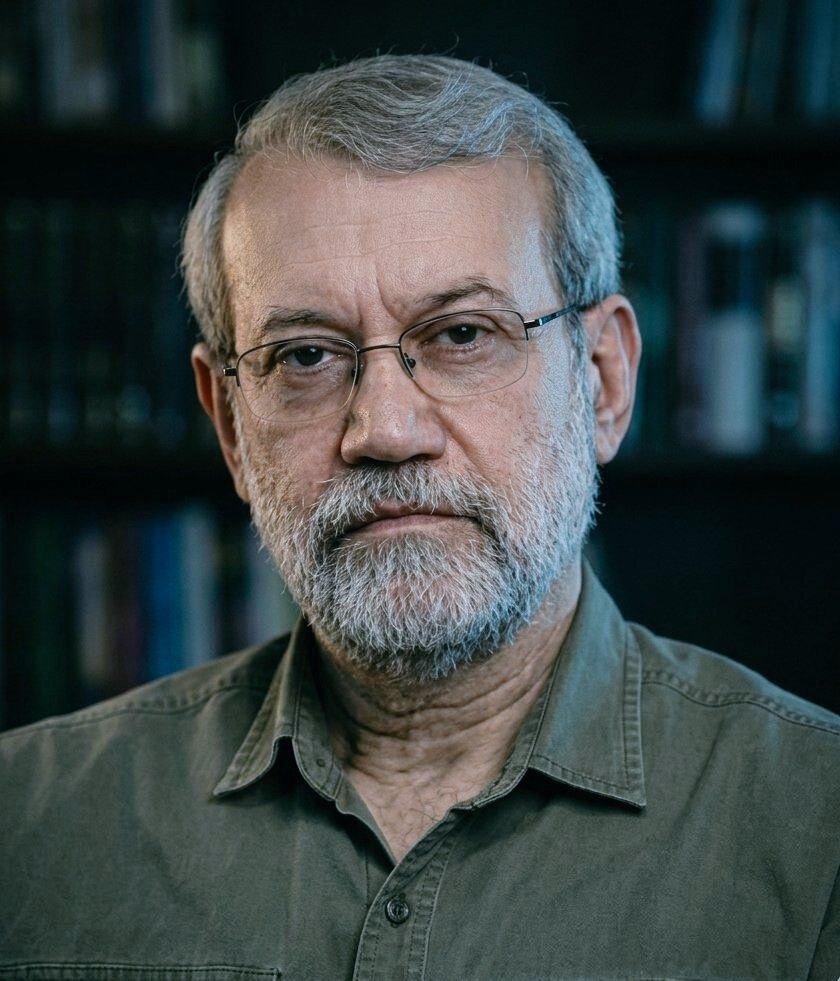
Ali Larijani/Source: Telegram
EXECUTIVE SUMMARY
Iran's national security council secretary Ali Larijani was killed in a confirmed US-Israeli airstrike on 17 March 2026, removing a senior figure who had been the regime's primary backchannel interlocutor with Western powers. Concurrently, the IRGC conducted its 59th strike wave against Israel using newly unveiled 'Haj Qassem' ballistic missiles, while the United States announced formation of a multinational Strait of Hormuz escort coalition. Allies including France, Japan, and Australia publicly declined to contribute naval forces, deepening the coalition fracture.
ANALYSIS
Larijani's death is the most consequential leadership loss for Iran since the conflict began. He served as the Supreme National Security Council secretary and, according to reporting from Oman-brokered channels, was the official who received and responded to President Trump's request for dialogue. His statement prior to his death, 'through Oman, we received Trump's message asking to end the war; our response is that negotiations are not on our agenda,' now stands as the regime's last diplomatic position from a recognized interlocutor. No successor has been publicly named.
The IRGC's 59th strike wave introduced the 'Haj Qassem' missile, named after assassinated IRGC-QF commander Qassem Soleimani. Iranian state media described the weapon as part of a 'fierce retaliation' package. War Noir's technical analysis of the 59th wave also identified continued use of Fattah-1 hypersonic missiles, Khorramshahr-4 (Khaybar) missiles with cluster warheads, and Martyr Haj Qasem missiles in a 12-weapon combination salvo targeting Tel Aviv and US Gulf installations. The Khorramshahr-4 cluster variant poses elevated risk to populations in urban target areas and is consistent with prior IDF warnings about residential impacts.
CENTCOM confirmed it employed multiple 5,000-pound bunker buster munitions against hardened Iranian surface-to-surface missile sites along the Strait of Hormuz coastline. This marks the first confirmed use of that munition class against Hormuz-adjacent targets and signals an attempt to degrade the launch infrastructure Iran has pre-positioned to interdict shipping. The parallel US announcement of a commercial ship escort coalition adds context: Washington appears to be simultaneously suppressing Iran's launch capacity while preparing to open Hormuz by force if necessary.
Mojtaba Khamenei, who assumed the role of Supreme Leader following his father's death earlier in the conflict, delivered his first major public address. He warned Gulf states and other regional countries that if they do not close US military bases on their soil, attacks on those bases will continue. He also vowed that Iran will extract compensation for war damages 'by any possible means.' This posture, combined with the Iranian Foreign Ministry's explicit statement that 'we have not asked for a ceasefire, nor have we even requested negotiations,' establishes that the new supreme leader intends to prosecute the conflict at minimum as aggressively as his predecessor.
Iraqi resistance groups added Jordan to their targeting list on 17 March, with Stay Free and Rerum Novarum both reporting attacks on US facilities in Jordan. Iraqi resistance has now struck US installations in Baghdad (Victory Base, US Embassy), Erbil, Kurdistan, and Jordan in the same operational period, demonstrating a broadening geographic reach consistent with Mojtaba's directive to regional partners.
SOURCES
Masiran TV (Pro-Iran/State-Aligned Media): IRGC 59th Wave, Haj Qassem Debut
Masiran TV: Larijani Martyred in American-Israeli Aggression
Rerum Novarum // Intel: Day 17 Recap, Carriers Repositioned, Hormuz Coalition
WarCabinet: Mojtaba Khamenei First Address, UK F-35/Typhoon Confirmed
Geopolitics Watch: CENTCOM Bunker Buster Employment at Hormuz
