

Retired Philadelphia Firefighter Shoots Three Officers in Wynnefield Ambush; All Expected to Survive
Sure: X | @SubxNews
EXECUTIVE SUMMARY
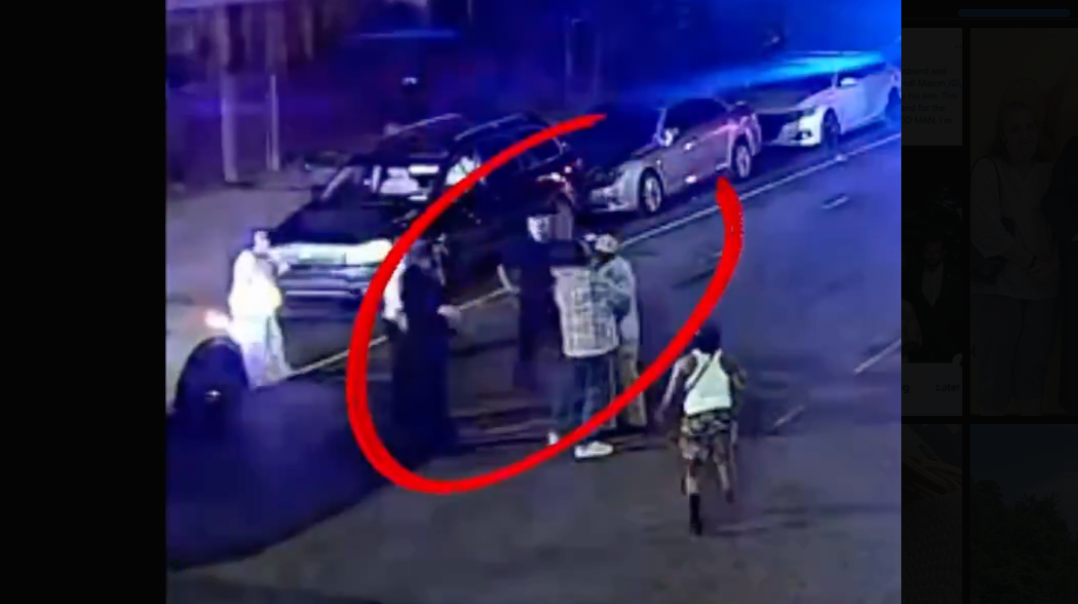
Eric Franks, 57, a retired Philadelphia Fire Department firefighter and Marine veteran, shot three Philadelphia Police Department officers at approximately 10:30 PM on June 13 while they were processing a crime scene on the 2000 block of North 54th Street in the Wynnefield section of Philadelphia. Franks approached officers, became agitated, shoved a sergeant, then opened fire; officers returned fire and killed him. All three wounded officers were transported to Penn Presbyterian Medical Center and are expected to recover.
ANALYSIS
Officers from the 19th District had responded to the area following reports of a person with a weapon and shots fired. They were processing a vehicle struck by gunfire on the 2000 block of North 54th Street when Franks approached. According to Philadelphia Police Commissioner Kevin Bethel, officers spent several minutes explaining the situation as they established the crime scene perimeter. Franks became increasingly agitated during that exchange, shoved a sergeant with both hands, then opened fire. Four officers returned fire. One officer was struck in the face, one in the hip, and one in the leg. Franks was struck in the chest and rear right leg and died at Thomas Jefferson University Hospital at 11:00 PM.
Franks served 19 years in the Philadelphia Fire Department before retirement and is also a Marine Corps veteran. Both backgrounds are relevant: firefighters develop familiarity with first responder response patterns, staging configurations, and how officers behave while processing a scene. Whether that institutional knowledge shaped Franks's approach or whether his escalation was situational remains under investigation. No prior interaction between Franks and the officers has been reported. No motive has been publicly established.
The sequence is operationally distinct from a classic approach-ambush because Franks was visible to officers throughout the escalation. The threat emerged from a confrontation at an active crime scene where officers were engaged in evidence collection, not from concealment. This pattern, a contact that begins as a verbal confrontation and escalates to a shooting against multiple officers simultaneously, requires supervisors to reinforce de-escalation discipline and scene-perimeter control as officer safety elements, not just procedural ones. The injury profile, face, hip, and leg wounds across three separate officers from a single individual, indicates Franks fired rapidly across multiple targets.
SOURCES
