

Russia Accused of Recruiting Ukrainian Minors for School Attacks via Telegram and TikTok
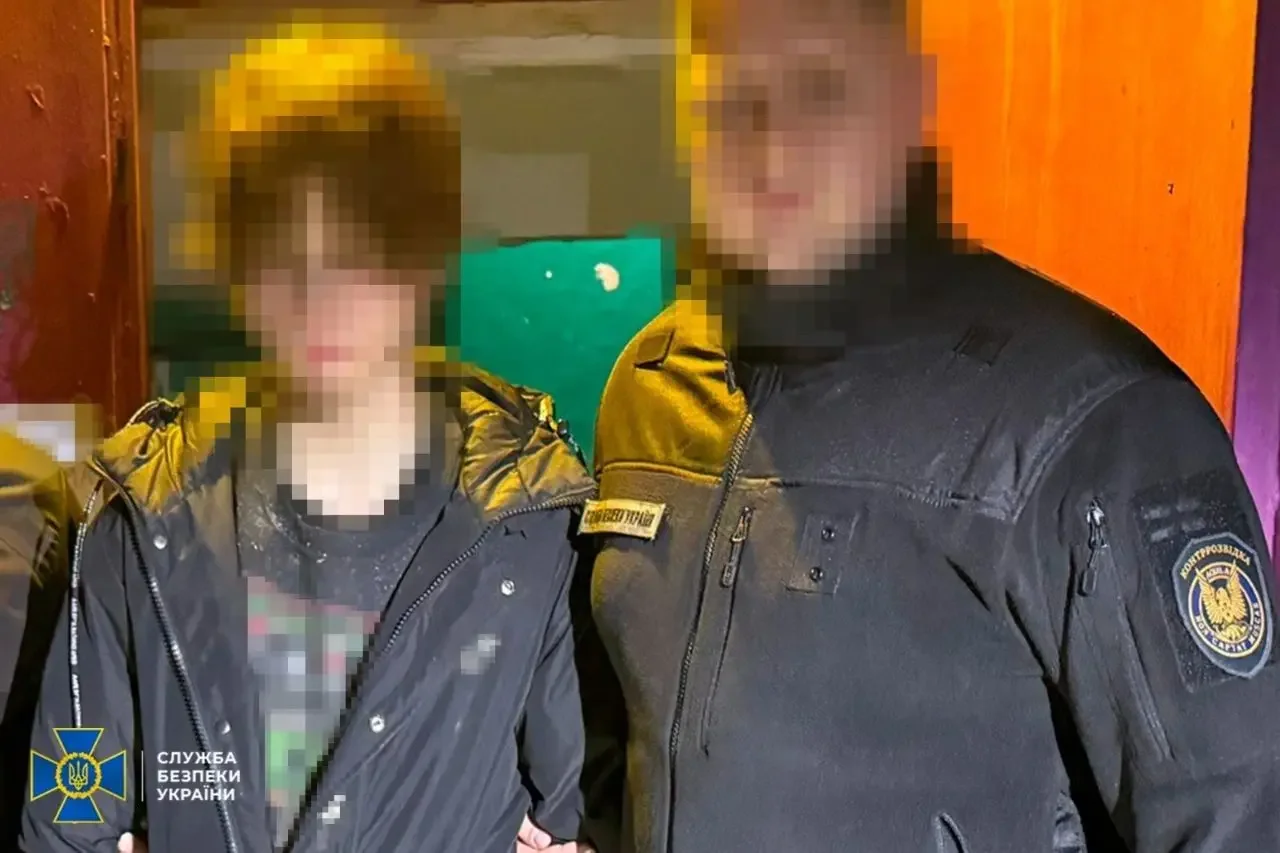
Source: Ukraine Security Service
EXECUTIVE SUMMARY
Ukrainian security services say they disrupted planned school attacks in Kirovohrad and Odesa regions involving teenagers allegedly recruited by Russian operatives online. Authorities claim the Kirovohrad suspect was directed to build an IED for detonation inside a school and then carry out follow-on shootings/stabbings, while an Odesa case was intercepted earlier in the recruitment pipeline. The SBU frames the pattern as a deliberate Russian tactic to weaponize vulnerable minors and then push them toward suicide to remove witnesses.
ANALYSIS
This is being presented by Ukrainian authorities as an influence-and-tasking pipeline: recruitment through youth-facing platforms, manipulation narratives tailored to grievance, then escalation into mass-casualty concepts with built-in “witness removal.”
Across the Kyiv Post summary and the more procedural Ukrinform write-up, the alleged mechanics are consistent. Both describe recruitment via Telegram and TikTok channels used to target minors, with recruiters using psychological hooks such as “justice,” protecting relatives, or punishing bullies. In Kirovohrad, the claim is high-lethality by design: a 15-year-old was allegedly instructed to assemble a homemade bomb, detonate it during a school break, and then use a shotgun and knife to attack survivors. Investigators say they seized an IED, components, a shotgun, and digital communications with a handler.
The Odesa case is described as earlier-stage. Authorities claim Russian operatives planned to mail a package containing a firearm and knife for a student to use in a school attack. Even at the “recruitment phase,” the alleged intent mirrors the Kirovohrad scenario: a weapons-enabled mass casualty event rather than vandalism or arson.
The most consequential detail is the alleged suicide instruction. Both Kyiv Post and Ukrinform state that handlers pushed minors to kill themselves after the attack to eliminate “unnecessary witnesses.” If accurate, that signals a higher level of operational cynicism and risk management on the handler side and suggests the recruiter model is built around disposable actors rather than long-term penetration.
The Kyiv Independent piece provides context that this is not being treated as an isolated phenomenon. It describes a separate April 17 disruption in Kremenchuk where a teen allegedly planted two remote-detonated IEDs near a police station, with the outlet raising the possibility of a “double-tap” pattern targeting responders. That reporting also emphasizes “quick money” recruitment hooks and reinforces the SBU’s message that social platforms are being used for domestic tasking and sabotage-style operations.
Bottom line: the reporting is heavily dependent on Ukrainian official claims and seized-evidence assertions. However, across three outlets, the consistent pattern is recruitment via social channels, youth vulnerability exploitation, and attack concepts that combine an initial explosive act with follow-on violence or secondary devices.
SOURCES
