

Texas Air National Guard F-16 Crashes in Michigan, Triggers Hazmat Evacuation
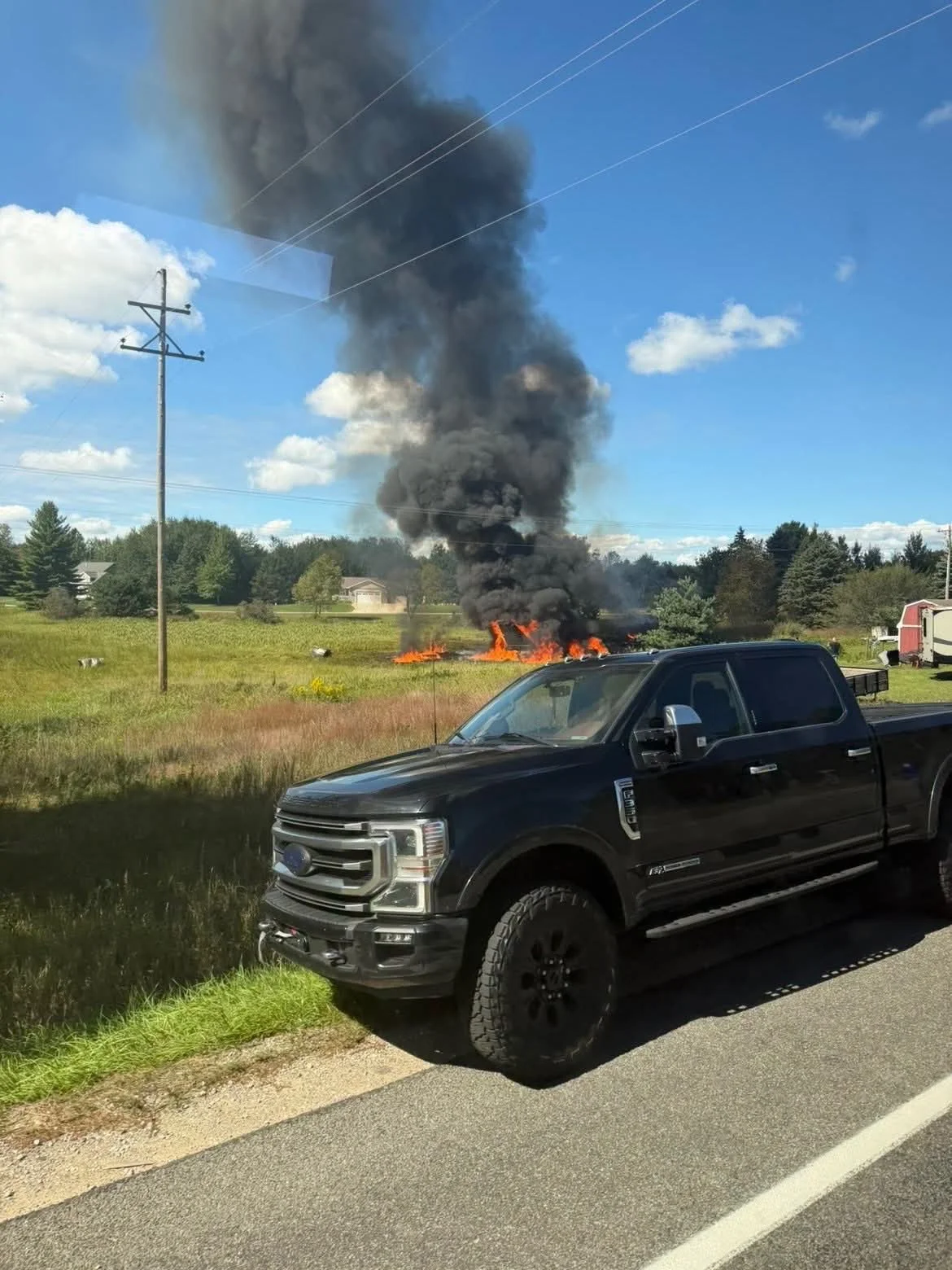
Source: X | @fbsbuckshot
EXECUTIVE SUMMARY
A Texas Air National Guard F-16 Fighting Falcon crashed in Green Lake Township, Grand Traverse County, Michigan, on September 17, 2026, during a routine training mission from the Combat Readiness Training Center in Alpena. The pilot ejected safely and was taken to Munson Medical Center in stable condition. Hydrazine released from the aircraft's emergency power unit prompted a one-mile evacuation around the crash site, with no civilian injuries reported.
ANALYSIS
The aircraft, assigned to the 149th Fighter Wing of the Texas Air National Guard, went down at approximately 2:00 PM along County Road 633 between Jeffrey Place and Blair Townhall Road in Green Lake Township. The F-16 was on a training sortie originating from Alpena when it went down. The pilot was the sole occupant and ejected before impact. Michigan State Police confirmed the pilot was transported to Munson Medical Center in Traverse City and was in stable condition.
Grand Traverse County emergency management ordered residents within one mile of the crash site to evacuate after hydrazine was released from the aircraft's emergency power unit. Hydrazine is toxic by inhalation and skin contact and presents a fire hazard. Hazardous materials teams were deployed to the scene. No civilian injuries were reported and no residential or commercial structures sustained damage.
An audio recording recovered early in the investigation indicated the pilot reported a possible bird strike before the crash. The cause remains under investigation by Air Force safety personnel. Texas Air National Guard aircraft participating in exercises at the Alpena training center were grounded pending the investigation's initial findings.
Hydrazine releases are a standard secondary hazard at any F-16 crash site. The chemical powers the aircraft's emergency power unit, which provides backup hydraulic and electrical output if main engine-driven systems fail. Air Force crash response procedures treat any hydrazine release as a hazmat incident regardless of quantity. Local authorities managed the evacuation zone while federal and military investigative resources were activated. Grand Traverse County officials did not provide a timeline for when evacuated residents would be permitted to return.
SOURCES
