

U.S. Escalates Military and Economic Pressure on Maduro as Carrier Strike Group Enters Caribbean and FTO Designation Nears
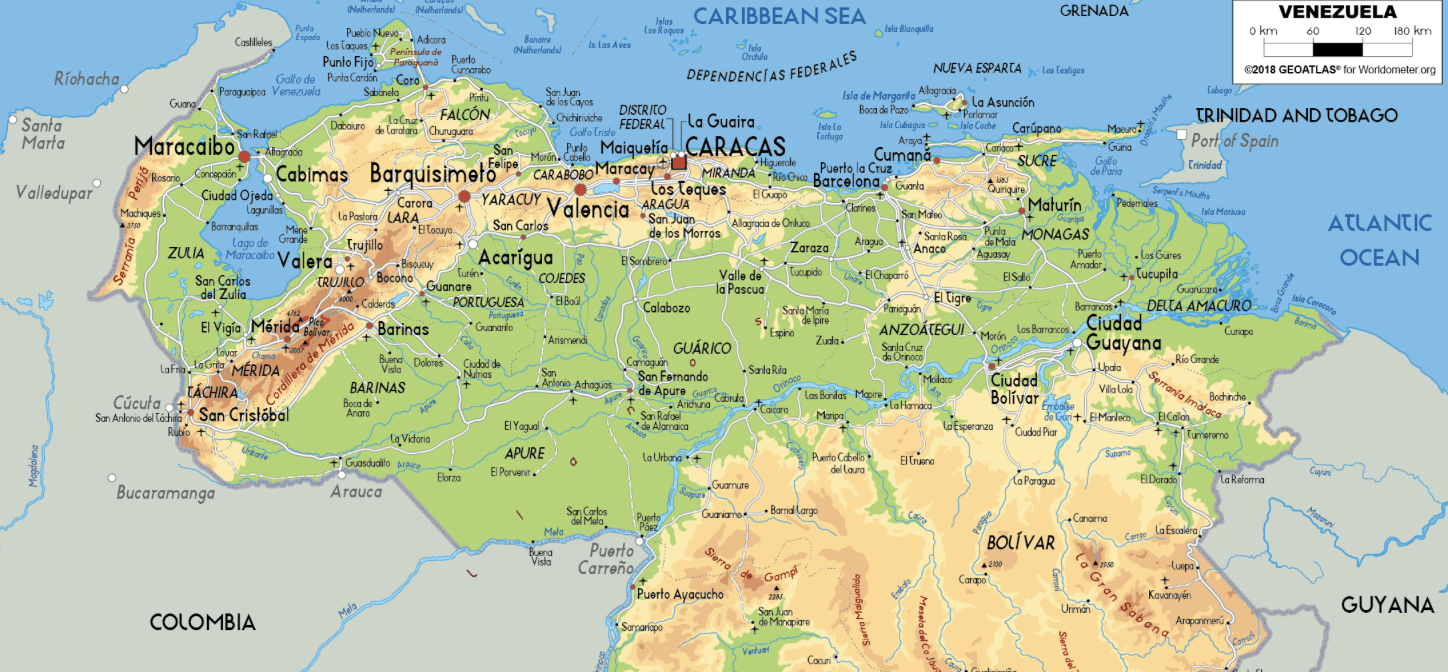
Source: Worldometer
Executive Summary
The United States has deployed the USS Gerald R. Ford Carrier Strike Group to the Caribbean and announced plans to designate the Cartel de los Soles—allegedly headed by Venezuelan President Nicolás Maduro—as a Foreign Terrorist Organization. These steps mark the most significant U.S. pressure campaign on Venezuela in decades and provide legal and operational pathways for expanded military actions. Washington has intensified strikes on suspected narcotics vessels, while political leaders openly discuss options for land targets and broader coercive measures. Regional governments, criminal networks, and U.S. partners are bracing for potential escalation as Maduro alternates between conciliatory messages and nationalistic defiance.
Analysis
The deployment of major U.S. naval and air assets to the Caribbean, paired with the impending FTO designation of the Cartel de los Soles, shows a strategic shift from counternarcotics operations toward coercive diplomacy aimed at weakening the Maduro regime. The scale of forces, open debate about legal authorities for strikes, and coordination among senior U.S. officials widen the space for potential kinetic action even as Washington signals a willingness to negotiate.
The arrival of the USS Gerald R. Ford strike group—positioned roughly 700 miles north of Caracas—adds dozens of tactical aircraft and substantially expands the reach of Joint Task Force Southern Spear, the largest U.S. regional deployment since the Cuban missile crisis (The War Zone).
The State Department announced its intent to designate the Cartel de los Soles as a Foreign Terrorist Organization on November twenty fourth, asserting Maduro and senior regime figures oversee a criminal enterprise tied to drug trafficking and violence across the hemisphere (Latin Times).
U.S. officials have presented strike options to the president, including land targets inside Venezuela, following more than twenty attacks on suspected narcotics vessels that have killed at least eighty people in recent months (Latin Times; The War Zone).
Congressional allies have publicly emphasized that FTO designation provides clear legal authority for military strikes, framing the move as both a warning and a justification for further action (Latin Times).
The broadened U.S. pressure campaign coincides with growing concern about Venezuela’s criminal networks expanding globally, particularly the rise of Tren de Aragua in Europe. Spanish authorities dismantled the group’s first operational cell in Madrid, noting its capacity for violence, infiltration, and destabilization mirrors patterns seen across South America (The Sun). These developments strengthen Washington’s argument that Venezuelan-linked transnational groups threaten regional stability. At the same time, analysts warn that airstrikes alone may not force political change and could consolidate regime loyalty, as seen in other historical cases. Maduro’s oscillation between conciliatory gestures and anti-U.S. rhetoric suggests he is attempting to manage internal pressures while projecting resilience to Washington. As the FTO designation date approaches, the risk of miscalculation rises, and even limited U.S. strikes could trigger broader escalation if not tightly contained.
