

Natanz Nuclear Facility Struck by US-Israel Airstrike; IAEA Reports No Immediate Radiation Release
Source: Telegram
EXECUTIVE SUMMARY
US and Israeli aircraft conducted a coordinated strike on Iran's Natanz uranium enrichment facility on 21 March 2026, targeting the underground Fuel Enrichment Plant (FEP) where Iran has produced both low-enriched and highly enriched uranium. The IAEA confirmed facility damage but reported no radiation release; Iranian state media acknowledged an incident while asserting backup systems remain operational.
ANALYSIS
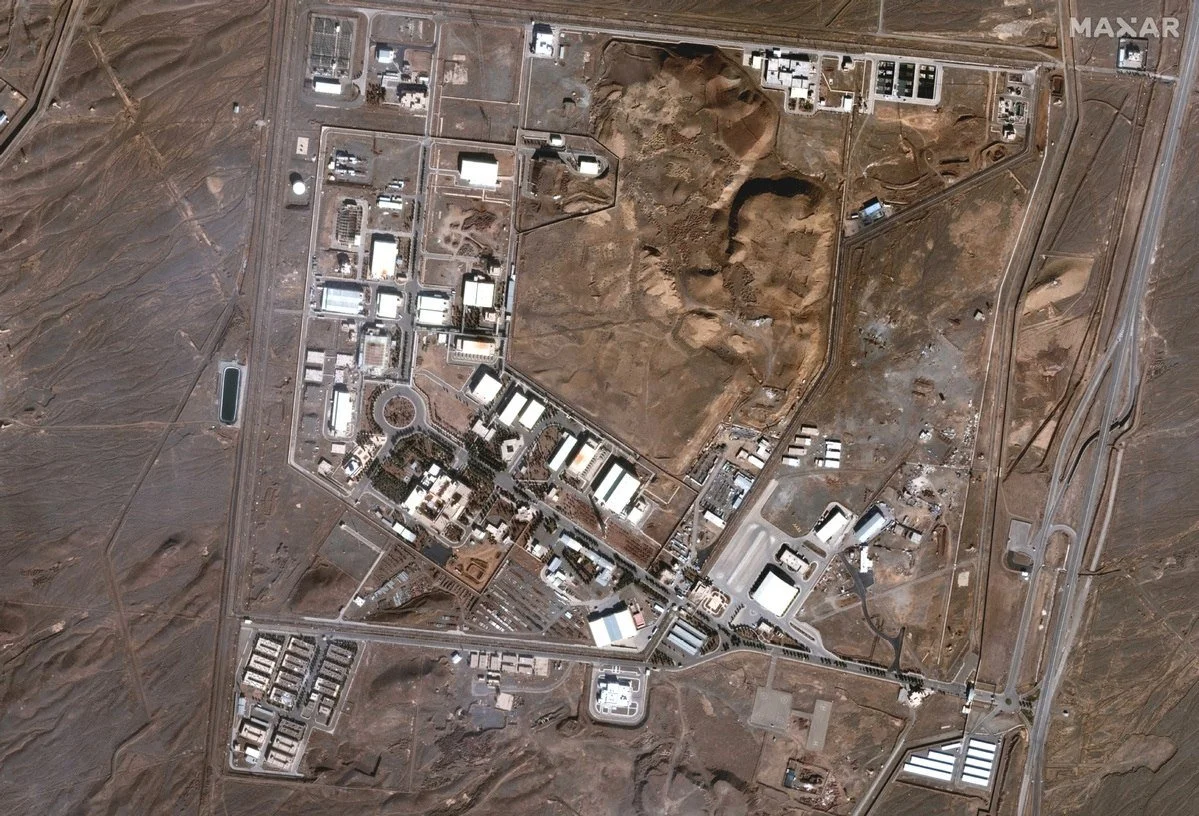
The Natanz FEP is Iran's primary centrifuge complex, hosting the cascades responsible for enrichment to both the 20 percent and 60 percent levels that have defined Iran's breakout timeline calculations. A strike that degrades or destroys a substantial portion of the centrifuge infrastructure would extend Iran's breakout timeline by months to years, depending on the scale of damage and Iran's ability to reconstitute covertly at undeclared sites. Open-source satellite imagery circulating as of publication shows visible cratering of surface structures above the FEP. The extent of underground damage remains unconfirmed.
The IAEA's no-radiation-release statement is consistent with a strike that targeted the centrifuge halls rather than enriched material storage, a tactically sound choice that limits international criticism while maximizing strategic effect. Iran's assertion that backup systems are operational is unverifiable and may be intended to manage domestic and diplomatic optics rather than reflect actual facility status.
