

US-Israel Military Campaign Against Iran: Day 9 Situational Update
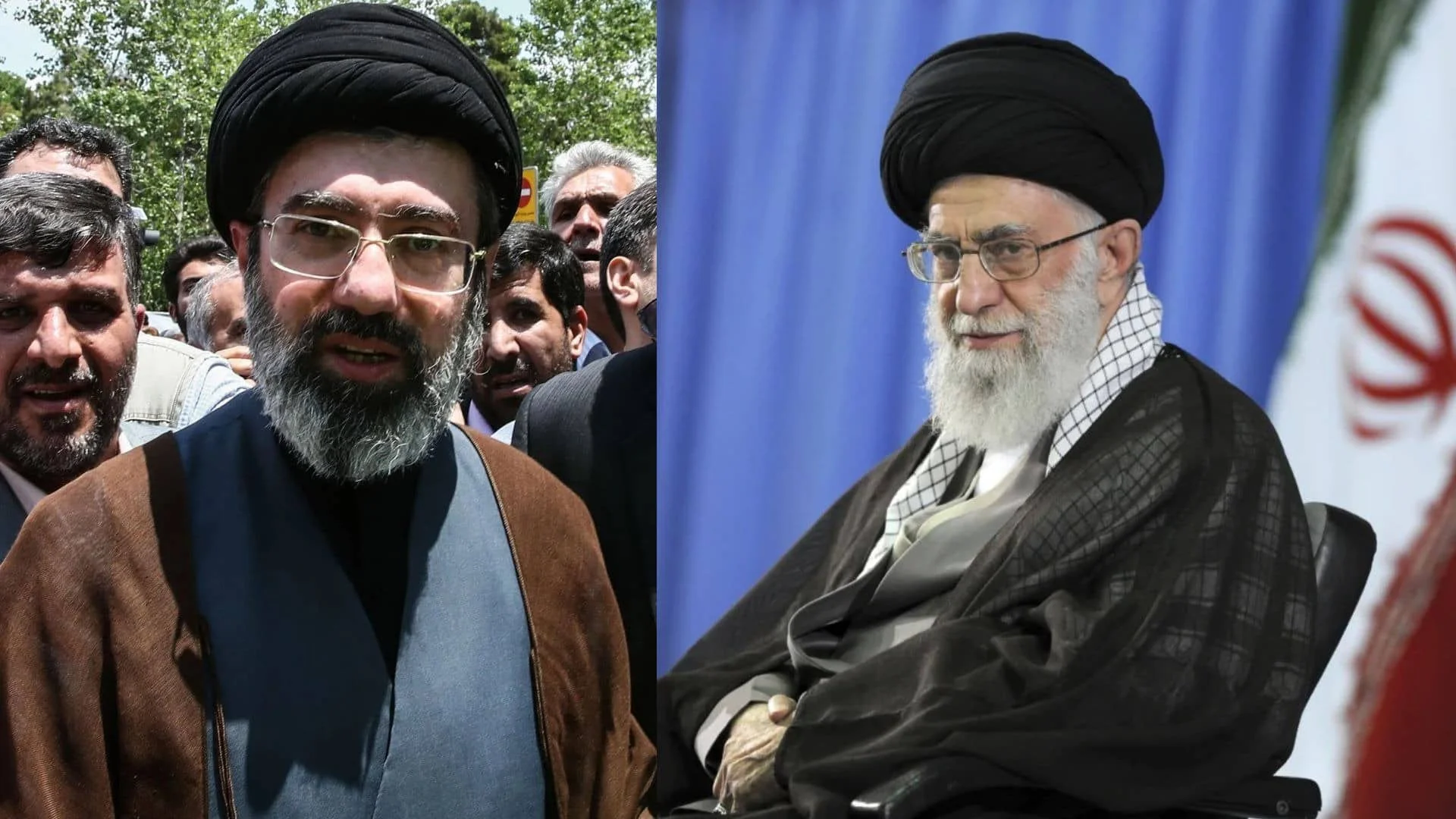
Source: Telegram
EXECUTIVE SUMMARY
The joint U.S.-Israeli military campaign against Iran, initiated on 28 February 2026, has entered its ninth day. Strikes have targeted Iran's nuclear and ballistic missile infrastructure as well as leadership compounds. Supreme Leader Ayatollah Ali Khamenei was killed in the opening strike; his son Mojtaba Khamenei has been named as his successor. Iran has responded with missile and drone strikes across the Gulf region. Preliminary figures indicate 1,255 dead in Iran, 13 in Israel, 8 U.S. service members, and 14 killed in Gulf states.
ANALYSIS
The killing of Ayatollah Khamenei in the campaign's opening hours represents the most significant targeted killing of a state leader by U.S. and Israeli forces in the contemporary period. The naming of Mojtaba Khamenei, a cleric with significantly less religious authority than his father but deep ties to the Islamic Revolutionary Guard Corps (IRGC), suggests continuity of the current security-state model over theological legitimacy. Whether the new leadership will seek a diplomatic off-ramp or double down on asymmetric escalation remains the central strategic question.
Iran's regional response has been broad in geographic scope but calibrated in lethality. Missile and drone strikes have targeted U.S. bases and Gulf partner nations including Azerbaijan, Bahrain, Iraq, Jordan, Kuwait, Oman, Qatar, Saudi Arabia, and the UAE. The targeting pattern reflects a deliberate Iranian effort to impose costs on U.S. regional partners and demonstrate residual strike capability while avoiding direct mass-casualty attacks on U.S. personnel that could trigger a further escalatory response.
A significant intra-alliance dispute emerged on 8 March when Israeli strikes on 30 Iranian fuel depots went beyond U.S.-notified targeting, prompting rare public friction between Washington and Jerusalem. The energy infrastructure targeting carries the risk of economic and humanitarian blowback and may complicate diplomatic efforts. Qatar's energy minister has warned that continued regional warfare could force Gulf producers to halt exports and declare force majeure, introducing a potential global energy market dimension to the conflict.
For counterterrorism purposes, the conflict creates significant exploitation opportunities for Iranian proxy networks: Iraqi militia groups have claimed 50 attacks over a single weekend using missiles and UAVs against targets in Iraq and across the region. ISIS and other Sunni jihadist groups may attempt to exploit Iranian security force distraction and the disruption of the Syrian-Iraqi security corridor.
