

Ukraine-Russia War Update Four Years In: Heavy Strikes, Slow Talks, Rising Economic Cost
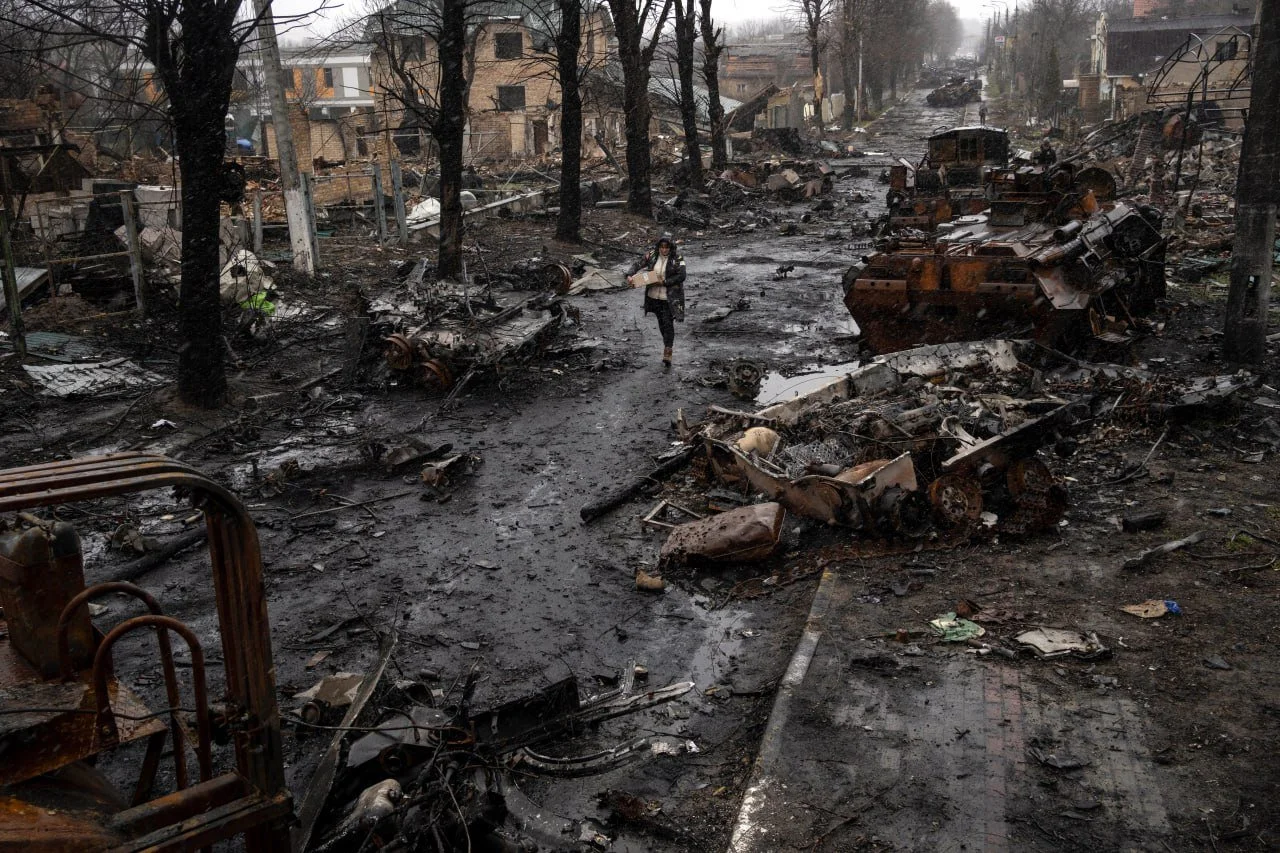
Source: Telegram
Executive Summary
Russia launched a major drone-and-missile barrage on February 26 targeting Ukraine’s energy and rail systems, injuring at least 26 people and damaging sites across multiple regions. Ukraine says it struck deep inside Russia at a ballistic-missile production plant, as both sides keep escalating long-range attacks. Peace talks in Geneva ended without a breakthrough, while a development bank cut Ukraine’s 2026 growth forecast because of energy infrastructure damage.
Intelligence Analysis
Russia’s air campaign remains focused on breaking Ukraine’s ability to function. Overnight on February 26, Ukraine reported one of the heaviest strike packages in recent months: President Volodymyr Zelenskyy said Russia launched 420 drones and 39 missiles, including 11 ballistic missiles. Ukraine’s air force said it shot down 374 drones and 32 missiles, but five ballistic missiles and 46 drones still hit 32 locations. Officials reported at least 26 injured nationwide, including children, with damage across eight regions.
Ukrainian officials said the attack hit gas facilities in Poltava region and electricity substations in the Kyiv and Dnipro regions. A deputy prime minister said railway infrastructure was also targeted in frontline areas including Donetsk, Kharkiv, and Zaporizhzhia. Regional authorities reported injuries and building damage in Kharkiv and Zaporizhzhia, with Kyiv also reporting damage from falling debris.
Separate incidents in recent days show pressure on internal security and public order. On February 23, an explosion in Mykolaiv injured seven police officers, two seriously, according to Ukraine’s national police chief. He linked it to another recent explosion in Lviv that killed a police officer and injured others. Police in Dnipro also reported an explosion at a police station later the same day, with no injuries.
Russia has also continued striking the south and Ukraine’s export routes. On February 23, Ukrainian officials said a Russian attack in Odesa region killed two people and injured three after a drone fell on a truck stop, causing a fire. Ukraine’s infrastructure minister said port infrastructure was attacked. A transport-industry source told Reuters that recent strikes on Odesa-area ports have reduced export capacity by up to 30% from pre-war levels.
Ukraine is responding by pushing strikes deeper into Russia. On February 21, Ukraine’s General Staff said it hit a Russian plant in the Udmurtia region that manufactures ballistic missiles, including systems such as Iskander and Topol-M, and that the strike caused a fire. The regional governor said a site was attacked by drones and reported damage and injuries without details. Ukraine also said it struck a gas processing plant in Russia’s Samara region.
Diplomacy is moving, but not closing the gap. Reuters reported that U.S.-mediated talks in Geneva on February 18 ended without a breakthrough. Zelenskyy said the results were not sufficient and that key political issues and compromises were not adequately addressed. U.S. officials described “meaningful progress,” and both sides said further talks would happen without naming a date. Reuters reported that territory and the Russian-held Zaporizhzhia nuclear plant remain central sticking points.
The economic cost is rising alongside the physical damage. On February 26, the European Bank for Reconstruction and Development cut its 2026 growth forecast for Ukraine to 2.5% from 5%, citing the destruction of energy infrastructure over the winter. The bank said the effects will carry into 2027 because repairs will take time and outages continue to disrupt businesses.
Analyst Note
The story of this stage of the war is infrastructure: Russia keeps trying to shut down power, transport, and exports; Ukraine is trying to hit the factories and facilities that make those strikes possible. The talks continue, but the strikes are still setting the terms.
