

Growing NATO Strain as Britain and European Allies Weigh Troop Deployment to Greenland Amid U.S. Annexation Threats
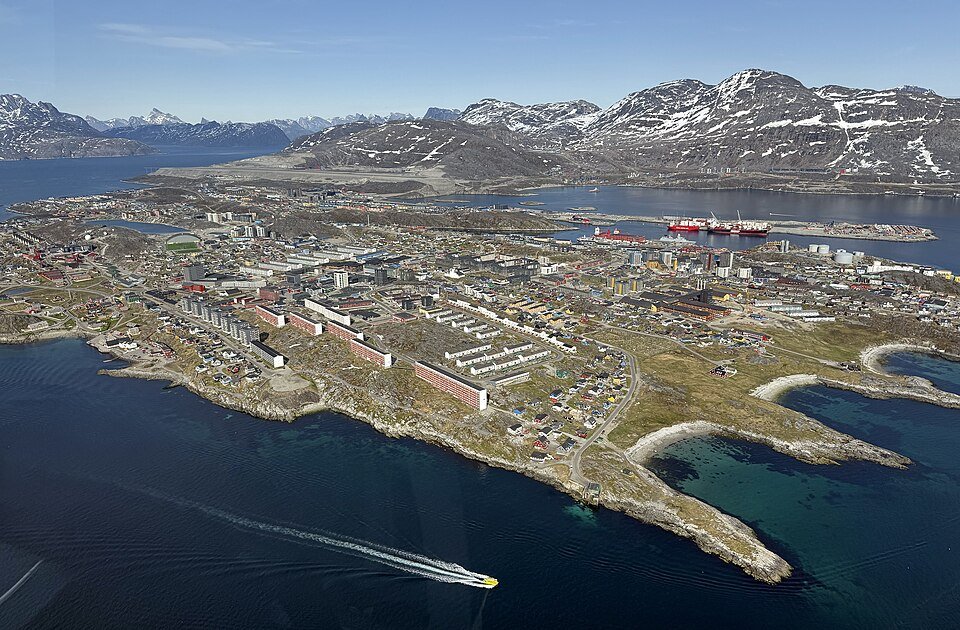
Source: Wikipedia
Executive Summary
Rising tensions over Greenland have triggered urgent discussions among Britain and its European allies about deploying military forces to the Arctic island. The talks come after President Donald Trump openly threatened to take control of Greenland, including by force, citing security concerns involving Russia and China. The dispute has exposed deep fractures within the NATO alliance and raised questions about alliance unity, deterrence, and the future balance of power in the Arctic.
Intelligence Analysis
Greenland, the world’s largest island, has moved from a quiet strategic concern to the center of an escalating transatlantic crisis. Statements by President Donald Trump indicating that the United States may seize Greenland “whether they like it or not” have shocked European allies and alarmed officials across NATO. In response, Britain has entered discussions with France, Germany, and other partners about a possible NATO-backed military presence on the island. The goal is not only to deter Russia and China, but also to prevent a confrontation within the alliance itself.
Greenland is a self-governing territory within the Kingdom of Denmark and is covered by NATO’s collective defense commitments. Any attempt by one alliance member to seize territory from another would challenge the core principles on which NATO has operated for more than seventy years. European governments see Trump’s rhetoric as a direct threat to alliance cohesion and a potential precedent that could destabilize international norms around sovereignty and borders.
British officials have framed their discussions as early-stage planning rather than a firm commitment to deploy forces. The concept under consideration ranges from a limited presence focused on exercises and surveillance to a more visible deployment of troops, naval vessels, and aircraft. Any mission would operate under NATO’s framework and would be separate from existing deployments in Eastern Europe. London’s position reflects a belief that increased European responsibility in the Arctic could ease tensions by addressing U.S. concerns while avoiding unilateral American action.
From a strategic perspective, Greenland occupies a critical position between North America and Europe. It hosts key infrastructure linked to missile warning and space monitoring, and its surrounding waters are increasingly important as Arctic sea routes become more accessible. The island is also rich in minerals such as rare earth elements, copper, and nickel, all of which are vital to modern technology and defense industries.
President Trump has repeatedly argued that U.S. control of Greenland is necessary to prevent Russia or China from gaining influence there. He has suggested that existing arrangements, including U.S. military bases on the island, are insufficient. Reports indicate that he has ordered U.S. military planners to draw up options for taking the island, even as senior defense officials reportedly question the legality and practicality of such action without congressional approval.
These statements have had immediate political effects on both sides of the Atlantic. In the United States, lawmakers from both parties have warned that using force against Greenland would effectively destroy NATO. Several senators have publicly stated that Congress would move to block any military action against Denmark or Greenland. Polling indicates limited public support in the United States for an invasion, suggesting that domestic backing for such a move is weak.
In Europe, the reaction has been one of rare unity. Denmark has received strong diplomatic backing from its allies, who see the defense of Greenland as inseparable from the defense of the post-war international order. Danish leaders have been clear that any U.S. attack on Greenland would represent the end of NATO as it currently exists. Greenland’s own political leaders have also spoken with one voice rejecting annexation and emphasizing the right of Greenlanders to decide their own future.
There are also economic and diplomatic costs to consider. Denmark already bears significant financial responsibility for Greenland, including public services and defense. Copenhagen has announced major new investments in Arctic defense in response to criticism that it has underinvested. These commitments are politically sensitive at home, especially if Greenland ultimately chooses independence. European solidarity, while strong, may be tested over time if the crisis drags on.
Sources
Evening Standard – Britain in talks to deploy troops to Greenland
NBC News – Sen. Chris Murphy warns annexation would end NATO
Press TV – Report on U.S. military planning claims
The Guardian – Historical and alliance analysis
Reuters – Denmark’s strategic and political dilemma
The New York Times – Danish parliamentary perspective
