

Signs of an Imminent Iran Strike Faded as Executions Halted and Gulf Allies Pushed Trump Toward Restraint
Source: Telegram
Executive Summary
In mid-January 2026, the United States appeared close to launching military strikes against Iran in response to a brutal crackdown on nationwide protests. That momentum slowed after Iran reportedly halted mass executions and key Arab partners urged President Donald Trump to step back from the brink. The episode revealed both the limits of U.S. military leverage and the growing influence of Gulf states seeking to avoid regional chaos.
Intelligence Analysis
For several days in January, the trajectory of U.S.–Iran relations pointed toward armed conflict. President Donald Trump publicly warned Tehran that mass killings of protesters would trigger “very strong action,” signaling a readiness to use force not over nuclear activity, but over internal repression. U.S. military assets were repositioned, nonessential personnel were moved from bases in the Gulf, and allied governments prepared for possible retaliation. In that context, a strike on Iran appeared increasingly plausible.
That trajectory shifted when the Iranian government reportedly halted plans to execute hundreds of detained protesters. President Trump said he had been informed that the killing had stopped and credited the cancellation of executions as a decisive factor in holding off military action. The pause did not end the crisis, but it changed its direction. Instead of immediate strikes, Washington pivoted to sanctions, warnings, and continued military readiness, while regional allies intensified diplomatic efforts to prevent escalation.
The role of Gulf Arab states was central in this shift. Despite long-standing rivalries with Iran, countries such as Saudi Arabia, Qatar, Oman, and others strongly opposed U.S. military action. Their opposition was not rooted in sympathy for Tehran’s leadership, but in fear of the consequences. These governments view Iran as weakened, internally strained, and contained. A sudden collapse of the Iranian state, or a major regional war, would threaten their own security, economies, and political stability.
Gulf leaders privately and publicly warned Washington that any U.S. attack would likely provoke Iranian retaliation against American bases and infrastructure hosted on their soil. The memory of past incidents weighed heavily. In the previous year, Iran struck a major U.S. base in Qatar in retaliation for American attacks on Iranian nuclear facilities. That episode reinforced Gulf concerns that they would bear the immediate costs of escalation, even if they were not the decision-makers.
Beyond security risks, Gulf states fear economic fallout. Much of the region’s appeal as a global business and tourism hub rests on an image of stability. War in the Gulf would threaten energy infrastructure, shipping routes, and investor confidence. For countries pursuing ambitious economic transformation plans, particularly Saudi Arabia and the United Arab Emirates, a regional conflict would undermine years of planning and investment.
Another factor shaping Gulf calculations is Israel. While Iran remains a long-term adversary, several Gulf governments increasingly view Israel as an assertive and unpredictable actor. Israeli military operations beyond its borders, including actions in Qatar and elsewhere, have unsettled Arab leaders who worry that a weakened or collapsed Iran could leave Israel as the dominant regional power. From this perspective, removing Iran’s current leadership by force could create a vacuum that destabilizes the region rather than securing it.
Oman and Qatar played particularly active roles in de-escalation. Both countries have long served as intermediaries between Iran and the West and maintain working relationships with Tehran. Officials from these states conveyed messages urging restraint on all sides and emphasized the risks of miscalculation. Saudi Arabia and Egypt, despite their more adversarial histories with Iran, joined these efforts, reflecting a shared interest in avoiding a regional war.
Inside Washington, the administration faced sobering assessments from its own advisers. Senior officials warned President Trump that even a large-scale bombing campaign was unlikely to topple the Iranian government. Iran’s security apparatus, including elite forces and militias, remains capable of suppressing unrest, as demonstrated by the deadly crackdown that followed an internet blackout. Smaller strikes, advisers cautioned, might embolden protesters symbolically but would not fundamentally change the balance of power on the ground.
These assessments complicated the president’s earlier public commitments. By telling Iranian protesters that “help is on the way” and drawing a red line around executions, Trump created expectations that were difficult to meet without resorting to force. When executions were reportedly halted, the administration seized on that development as a way to step back while claiming success. Trump repeatedly stated that he alone made the decision, though the timing aligned closely with intense regional diplomacy.
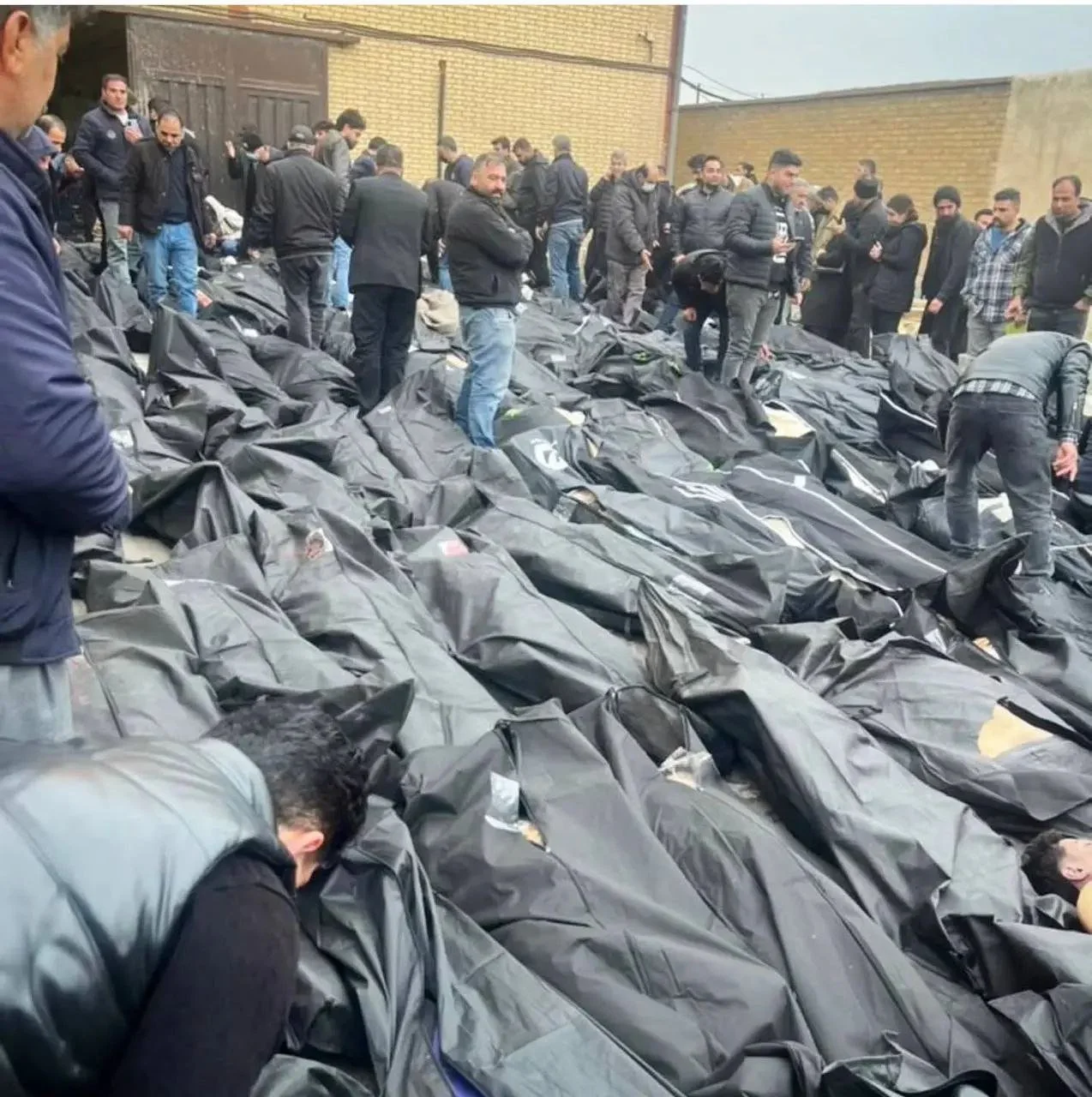
The halt in executions, however, did not signal a broader easing of repression. Reports from human rights groups and journalists described an extraordinarily violent crackdown concentrated over a short period, particularly after authorities shut down internet access. Thousands of protesters were reportedly killed, and many more detained. The violence succeeded in clearing streets in several cities, leaving what witnesses described as an eerie calm enforced by fear.
This reality underscored a central tension in U.S. policy. The administration sought to deter mass killing without committing to a war whose outcome was uncertain and whose costs would be high. Sanctions were expanded, targeting Iranian security officials and financial networks accused of enabling repression. Military forces remained on alert, with additional naval and air assets moving toward the region. The message to Tehran was that restraint would be rewarded with de-escalation, while renewed violence could still trigger force.
Iran, for its part, delivered mixed signals. Officials reportedly told intermediaries that they did not want a war and urged the United States to avoid action. At the same time, Iranian leaders warned neighboring states that any U.S. attack would be met with strikes on American bases in the region. This dual approach aimed to deter intervention while avoiding steps that might provoke it.
The crisis also highlighted shifting regional dynamics. Gulf states that once relied almost entirely on the United States as a security guarantor are increasingly hedging. Saudi Arabia’s recent security arrangements with Pakistan, and broader diversification of partnerships, reflect a perception that U.S. policy can be volatile and driven by short-term political calculations. The Iran episode reinforced these concerns.
For Israel, the situation presented its own dilemmas. Israeli officials reportedly urged Washington to delay action to allow time to prepare for possible retaliation. While Israel views Iran as its most serious strategic threat, it also recognizes that a rushed U.S. strike could leave Israel exposed to missile attacks and regional escalation without guaranteeing the collapse of Iran’s leadership.
In the near term, the outlook is one of uneasy pause rather than resolution. The Iranian regime appears to have regained short-term control through force. The United States maintains military readiness and economic pressure but has stepped back from immediate strikes. Gulf states continue to press for diplomacy, not out of trust in Tehran, but out of fear of what war would unleash.
Analyst Note
This episode demonstrates the limits of coercive threats when they are tied to internal developments inside a closed and heavily securitized state. It also shows that regional allies, often assumed to favor confrontation with Iran, can act as a brake on escalation when they believe their own survival and prosperity are at risk.
