

Kurdish Armed Groups Kill Iranian Security Forces Across Three Western Provinces in Single Day
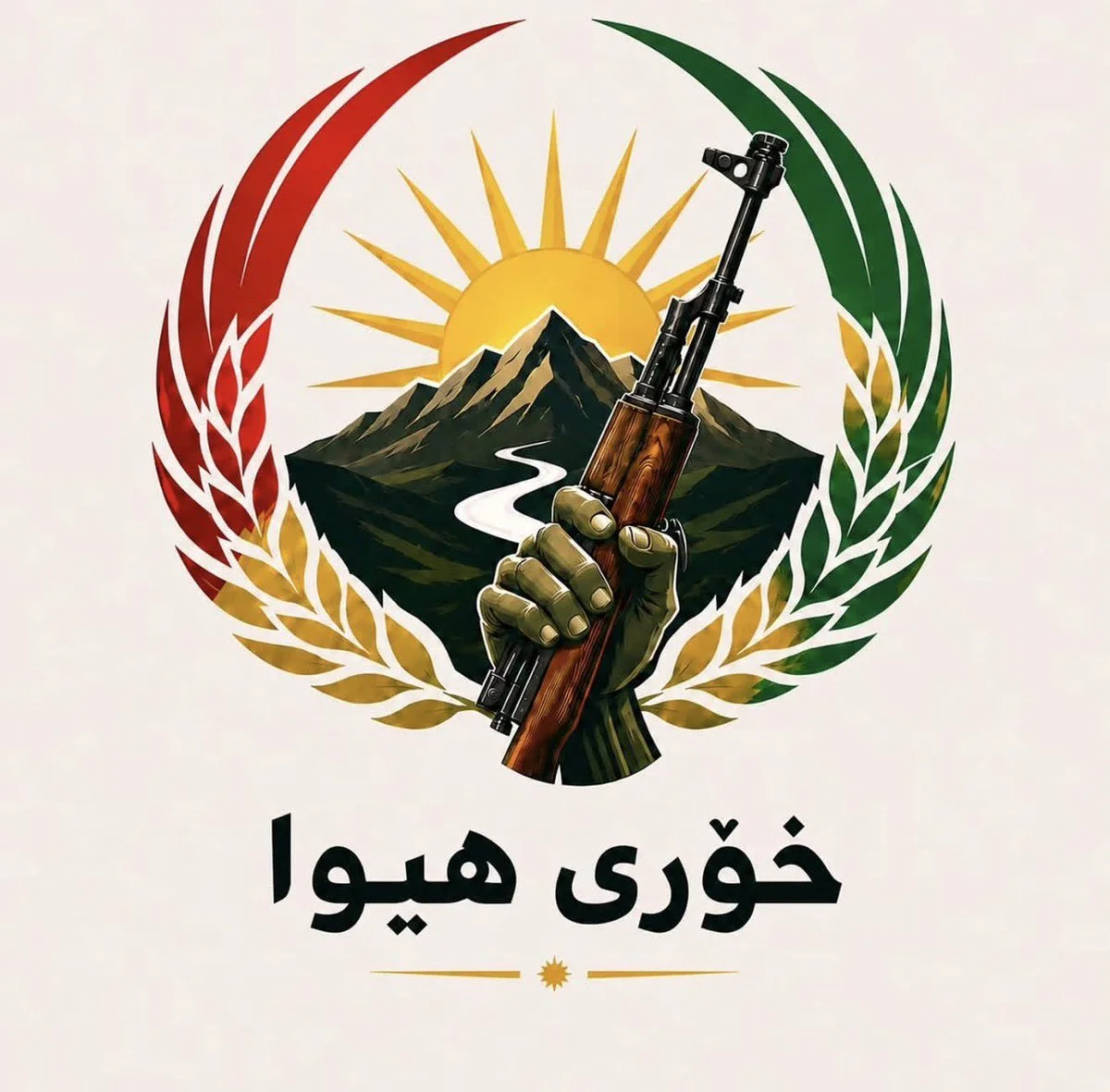
Source: X | @Hejar_Berenji
EXECUTIVE SUMMARY
Kurdish armed groups launched attacks against Iranian security personnel in three western provinces on June 29 and 30, killing at least two Islamic Revolutionary Guard Corps (IRGC) members and wounding two others in Paveh County, Kermanshah Province; Iran's IRGC separately announced it killed six Kurdish opposition fighters near Mahabad in West Azerbaijan Province. The geographic spread across three provinces, simultaneous engagement by multiple armed groups, and documented Israeli support for Kurdish armed operations during the broader US-Iran conflict window point to a qualitative escalation in Iran's Kurdish borderlands.
ANALYSIS
On June 30, assailants attacked the homes of local IRGC members in Paveh County, Kermanshah Province, killing two and wounding two others. The attack was claimed by a group calling itself Xore Heva, from the Kurdish for Sun of Hope, which stated it acted in retaliation for the IRGC's suppression of protests following the 2022 death in custody of Mahsa Amini. The use of personal residences as attack sites implies prior surveillance, local knowledge of specific addresses, and operational capability within populated urban areas, a tactical profile distinct from the remote mountain ambushes that characterized prior Kurdish-IRGC clashes.
In a separate engagement on June 30, the IRGC announced that it killed six members of a Kurdish opposition group near Mahabad, West Azerbaijan Province. The statement did not identify the group by name, though the Kurdistan Free Life Party (PJAK) and its armed wing, the Eastern Kurdistan Defense Units (YRK), have been the most active organizations in that area in recent months. The two June 30 engagements bring confirmed fatalities on both sides to eight in a single day across two provinces. A third province, Kurdistan Province itself, has also seen armed confrontations in the past week, completing a belt of active clashes across Iran's entire Kurdish-majority western border zone.
The structural context for this escalation is significant. In February 2026, five major Iranian Kurdish parties formed the Coalition of Political Forces of Iranian Kurdistan with an explicitly stated objective of toppling the Iranian regime. Reuters and other outlets documented in March 2026 that Israel had been backing plans by Iranian Kurdish militias to open a new front against Iran concurrent with US-Israeli military operations against Iranian targets. The Kurdish People's Leader Abdullah Ocalan, founder of the Kurdistan Workers' Party (PKK), called from prison in February for a transition to democratic politics, a development that initially appeared to moderate the broader Kurdish armed movement but has not prevented escalation by PJAK-affiliated groups in Iran.
The tactical shift from remote border operations to urban residential targeting in Paveh is the most significant doctrinal change observed in this reporting cycle. Before 2026, PJAK and associated groups confined nearly all engagement to mountain terrain along the Iraqi Kurdish border, keeping civilian areas out of the conflict. The Paveh attack, targeting IRGC personnel inside a populated county seat, introduces a new targeting logic that increases risk for IRGC personnel across a much wider geographic zone and complicates Iranian internal security planning in ways that remote border operations do not.
Iran's capacity to respond at scale is constrained. The IRGC is simultaneously managing US-Iran nuclear diplomacy through the Doha channel, preparing internal security for Khamenei's state funeral from July 4 through 9, sustaining Hezbollah support operations in Lebanon, and maintaining the Hormuz posture. Opening a sustained counter-insurgency campaign in three western provinces competes for the same ground force assets and intelligence capacity needed for those other missions. The IRGC's June 30 announcement that it killed six Kurdish fighters may reflect an effort to demonstrate internal security effectiveness without committing the resources a sustained western border campaign would require.
SOURCES
