

Lebanon Refuses Both War and Peace as Israel-Hezbollah Fighting Intensifies; Ceasefire Architecture Cannot Contain the Lebanese Front
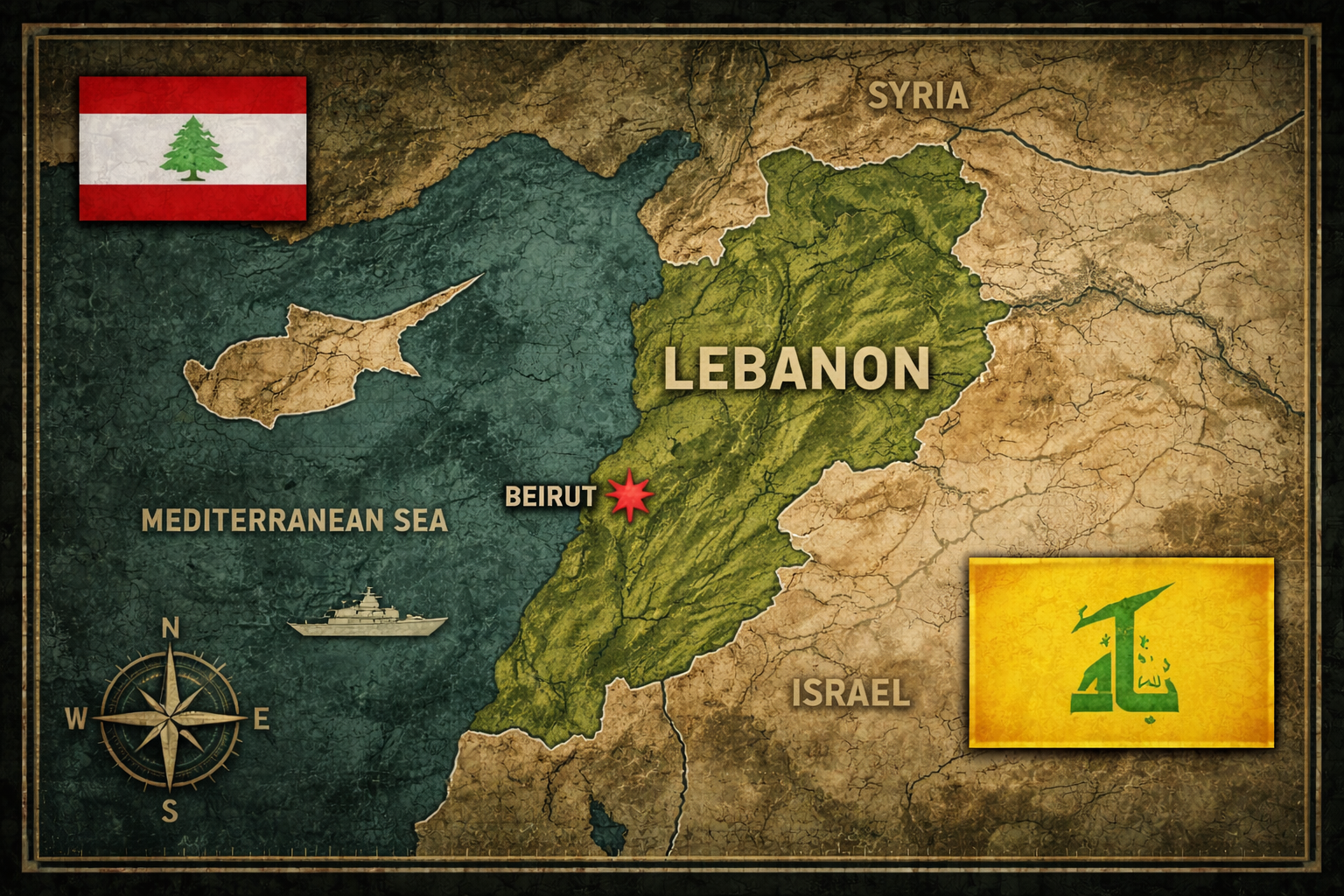
Source: ChatGPT
EXECUTIVE SUMMARY
The US-Iran ceasefire framework announced on April 7 has held in the bilateral Iran-US track but is structurally incapable of ending the Israel-Hezbollah conflict in Lebanon, which is governed by different military imperatives and political constraints. As of April 9, Israel has stated it will pursue direct talks with Lebanon but will not halt military operations, while Hezbollah has demanded a ceasefire but rejected direct negotiations with Israel. The resulting standoff leaves the Lebanese front as the most active kinetic zone of the conflict, with IDF airstrikes continuing in Beirut and southern Lebanon and Hezbollah launching rocket salvos in response.
ANALYSIS
The structural problem is that the ceasefire framework is bilateral: it governs US-Iran military operations but cannot bind Hezbollah, which functions as a semi-autonomous actor with its own military command and political logic. Iran's new supreme leader Mojtaba Khamenei, in recent statements, has framed the conflict outcome as an Iranian victory and called for Iran's neighbors to expel US bases, but has not issued direct operational guidance to Hezbollah regarding the Lebanese front. This creates an ambiguity that both Hezbollah and Israel are exploiting: Hezbollah continues operations because it has not been ordered to stop, and Israel continues operations because halting unilaterally would concede tactical ground without political return.
Iran's 10-point ceasefire proposal, referenced by Iranian Parliament Speaker Ghalibaf, explicitly includes Lebanon as inseparable from any final settlement. This means Hezbollah's military posture is, from Tehran's perspective, a negotiating card in the broader ceasefire process rather than a separate conflict to be resolved independently. Israel's position is the inverse: it will not halt Lebanon operations pending a final US-Iran agreement it has no direct role in negotiating. The two sides are using the Lebanese civilian population as terrain in a negotiation neither is conducting with the other.
The IDF's April 9 kill of a Hezbollah-linked commander in southern Lebanon is consistent with an ongoing decapitation strategy that continues regardless of ceasefire status at the bilateral level. Hezbollah's announcement of Operation 44, which included rocket salvos at Israeli forces near Bint Jbeil, demonstrates that command structure remains functional despite the campaign. Iran's warning of costs if Israeli attacks on Hezbollah continue is a signaling mechanism, but Tehran has not demonstrated that it can or will impose those costs while simultaneously managing a fragile ceasefire with the United States.
For US policymakers, the Lebanon dimension creates a specific risk: that continued Israeli military operations, which the US cannot restrain within the current ceasefire framework, become the trigger for Iranian ceasefire rejection on other tracks. The White House has tied ceasefire viability to Hormuz reopening; Iran has tied its 10-point plan to Lebanon being part of the resolution. If fighting in Lebanon escalates to another mass casualty event comparable to the April 8 strikes that killed 254, the ceasefire framework will face a stress test it was not designed to survive.
SOURCES
Iran Ceasefire Hangs In Balance As Israel Bombards Lebanon (The War Zone)
Israel to open direct talks with Lebanon but not halt attacks on Hezbollah (OSINT Navigator/News)
Lebanon Inseparable Part of Iran's 10-Point Ceasefire Plan: Qalibaf (Masira TV/Pro-Iran)
Hezbollah announces striking Israeli forces near Musa Abbas complex (TPO Now via OSINT Navigator)
IDF Kills Hezbollah-linked Commander In South Lebanon Strike (OSINT Navigator/News)
S Arabia, UAE, Kuwait, Qatar, Bahrain report attacks after Iran-US truce (Al Jazeera)
