

Russia Deploys Cable-Cutting Technology Near Svalbard in NATO Arctic Waters
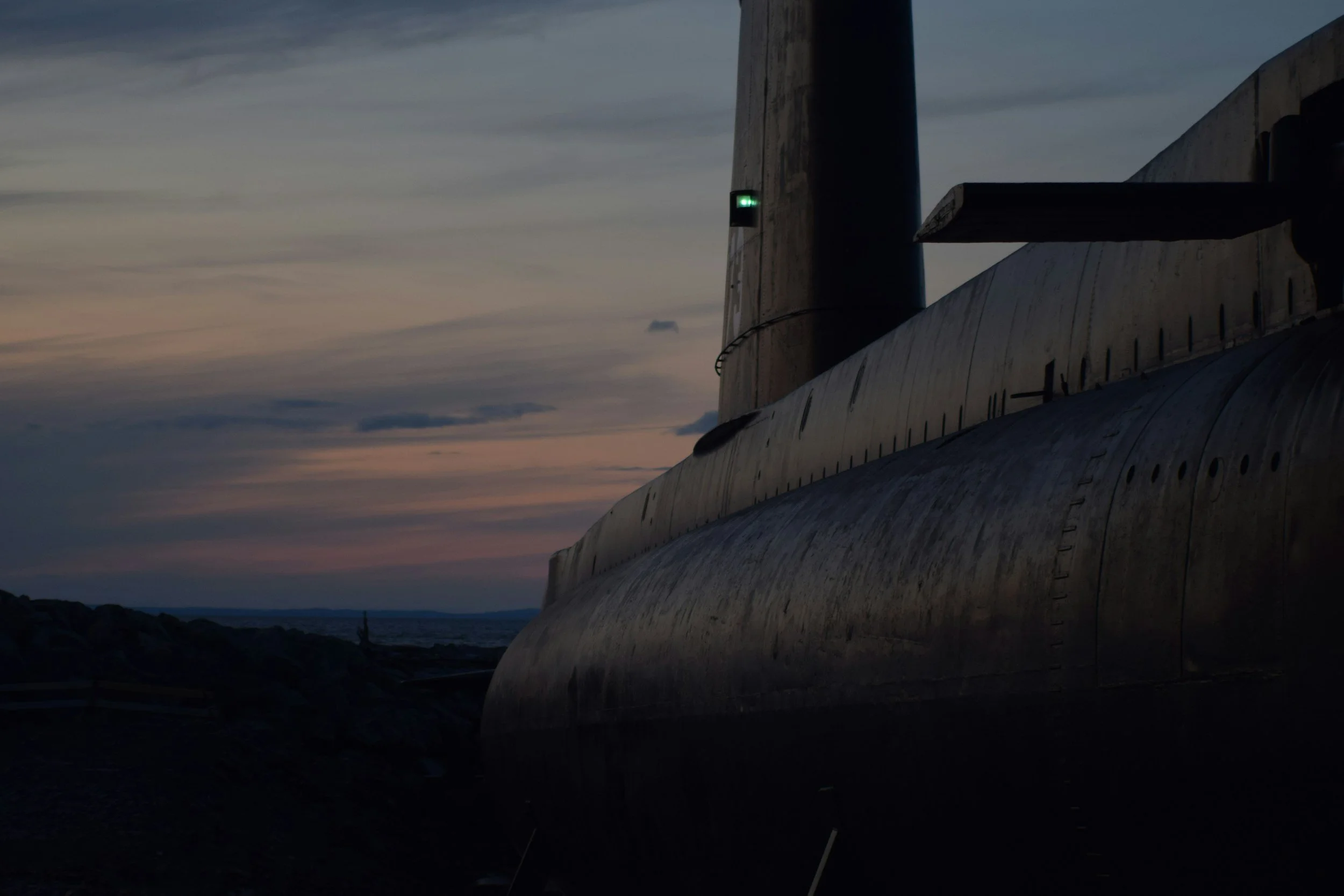
Source: Stock Image
EXECUTIVE SUMMARY
Britain, Norway, and the United States jointly tracked and confronted Russian submarines operating near the Svalbard archipelago this spring, catching them testing technology designed to sever critical undersea communications cables without leaving attributable evidence. The operation was carried out by Russia's Main Directorate for Deep-Sea Research, known by its Russian acronym GUGI, using deep-sea submersibles. The incident, disclosed in reporting published September 10, 2026, is the first confirmed allied interception of active Russian cable-disruption capability testing in NATO-adjacent Arctic waters.
ANALYSIS
In spring 2026, a joint naval intelligence operation involving Britain, Norway, and the United States detected Russian naval assets from the Main Directorate for Deep-Sea Research (GUGI) operating in Arctic waters near the Svalbard archipelago. The Russian vessels were not in transit. NATO-allied submarines and maritime patrol aircraft tracked them as they simulated the deployment of technology designed to disable critical undersea telecommunications cables. The technology, according to intelligence assessments cited in today's Defense News reporting, is engineered to cut or disrupt cables without producing physical evidence linking the action to Russia.
The allied response went beyond surveillance. Royal Navy, Norwegian, and American naval assets tracked the Russian vessels and physically confronted them at sea. The Russian submarines were prevented from completing the exercise and eventually left the area. British and Norwegian officials subsequently presented evidence of the operation to Russian counterparts in a deliberate signal: the new capability had been identified, and its future use would not be deniable.
Undersea cables carry roughly 95 percent of international internet traffic and the vast majority of global financial transactions. A successful strike on key cable nodes off the coasts of Iceland, the United Kingdom, or Ireland could isolate European financial systems, disrupt military command networks that rely on commercial fiber, and cascade outages across civilian infrastructure. The cables have long occupied a gray zone: damaging them is economic sabotage and potentially an act of war, but attribution requires evidentiary standards that no-fingerprint attacks are specifically engineered to defeat.
The GUGI directorate has operated specialized deep-sea submarines since the Cold War, including the Losharik-class nuclear-powered research vessel badly damaged in a fire in 2019. The deployment of new cable-disruption technology to simulated operational exercises in 2026 indicates the program has recovered and advanced. US intelligence analysts assessed, per today's reporting, that Russian planners view undersea cable disruption as a potential component of pre-conflict preparation if Russia moves to test NATO's Article 5 commitment.
The Svalbard operation fits within a broader Russian infrastructure targeting pattern documented across Europe in 2026. Germany blamed Russia for an August 4 explosive drone attack on a Ukrainian cargo aircraft at Leipzig/Halle Airport. Estonia, Latvia, and Finland have each reported suspected Russian reconnaissance of Baltic Sea pipeline and cable routes. The Svalbard interception, now disclosed, adds Arctic cable systems to the set of Russian-probed infrastructure targets and extends the confirmed geographic scope of Russian pre-positioning activity well beyond the Baltic.
SOURCES
