

U.S. Pressure Intensifies on Venezuela as Maduro Regime Responds with Detentions and Cautious Overtures
Source: Telegram
Executive Summary
The United States has sharply escalated political, economic, and military pressure on Venezuela, while stopping short of openly declaring a regime change strategy. In response, Venezuelan authorities have detained multiple American citizens, offered limited negotiations on drugs and oil, and tightened internal repression.
Analysis
Tensions between Washington and Caracas have entered a more dangerous phase, marked by a mix of coercive U.S. actions and defensive, sometimes contradictory, moves by Venezuela’s leadership. While U.S. officials insist their objective is to combat narcotics trafficking and criminal activity, the cumulative effect of recent measures has placed unprecedented pressure on the government of Nicolás Maduro and fueled speculation about a slow-moving campaign to weaken or ultimately dislodge his regime.
Over the past several months, Venezuelan security forces have detained at least five American citizens under varying circumstances. U.S. officials acknowledge that some of the cases may involve criminal allegations such as drug smuggling, but they also believe the detentions are being used as leverage against Washington. This tactic mirrors approaches taken by other U.S. adversaries, holding foreign nationals to gain bargaining power during periods of heightened tension. Families of the detainees have described limited access to information and little engagement from Venezuelan or U.S. authorities, adding to political pressure on the administration at home.
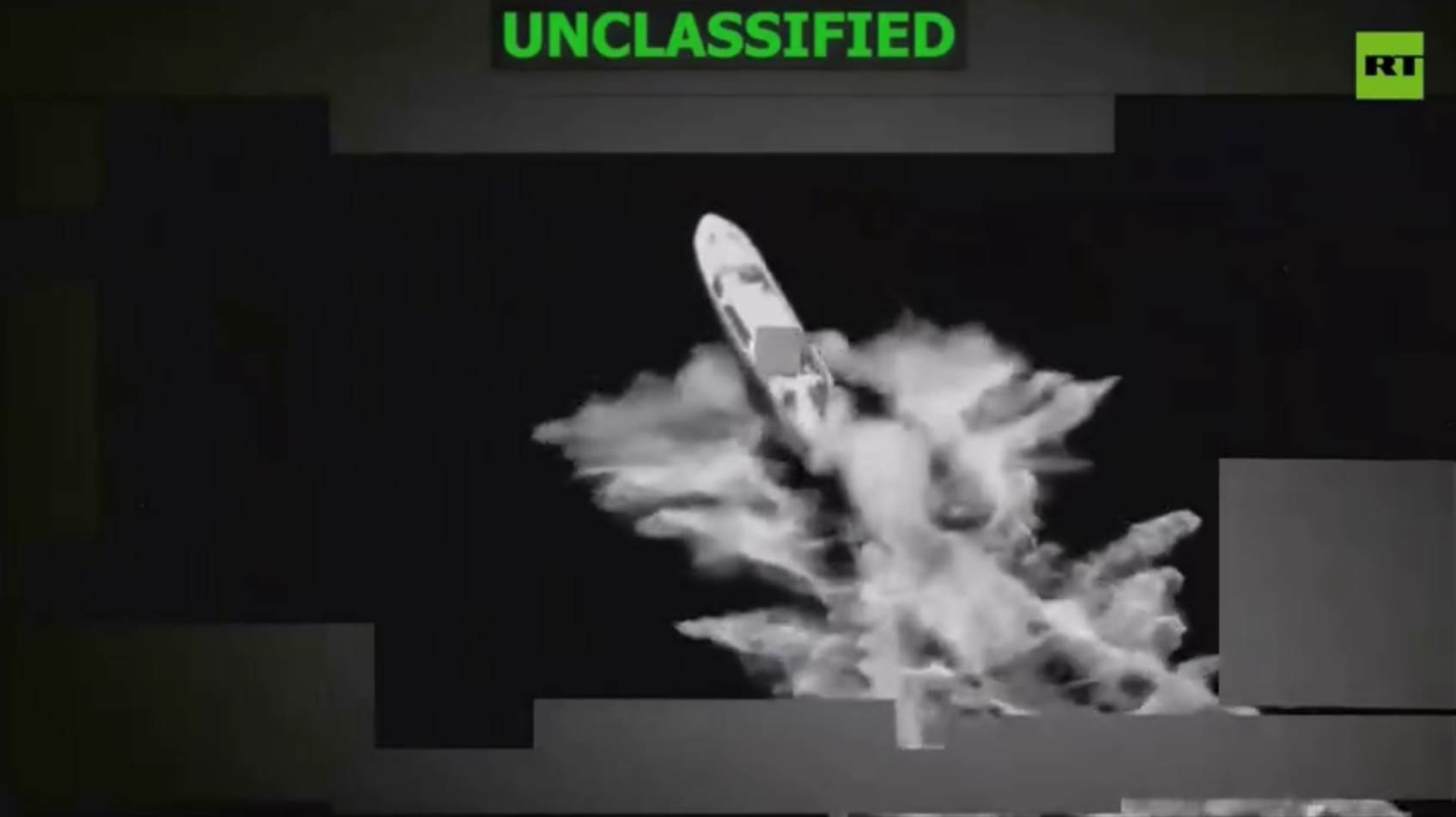
These detentions coincide with a broad U.S. pressure campaign that has expanded well beyond traditional sanctions. Washington has ordered a de facto blockade of sanctioned oil shipments, seized Venezuelan-linked tankers in the Caribbean, and launched repeated strikes on vessels it claims are involved in narcotics trafficking. According to U.S. officials, more than 100 people have been killed in maritime strikes since September, though detailed evidence linking specific vessels and individuals to criminal networks has not been made public.
The pressure campaign has also crossed a symbolic threshold. President Donald Trump publicly stated that U.S. forces struck a Venezuelan port facility used to load drug boats, marking the first acknowledged attack on infrastructure inside Venezuela during the current standoff. While U.S. agencies declined to comment on operational details, the statement itself signals a willingness to escalate from interdiction at sea to direct action on land. Even without confirmation of the responsible agency, the message to Caracas was unmistakable.
Economically, the impact has been severe. Ship tracking data shows that at least seven oil tankers have turned away from Venezuelan waters in recent weeks, with others stalled at sea to avoid seizure. As storage facilities fill, Venezuela’s state oil company has been forced to shut in wells, particularly in the Orinoco basin. Production declines of roughly 25 percent have been reported in late December compared to mid-month levels. Oil exports remain the country’s primary source of hard currency, and further disruption threatens to deepen an already dire economic crisis.
Chevron remains the sole major U.S. company still exporting Venezuelan crude under a limited license, underscoring how narrow the remaining economic channels between the two countries have become. At the same time, Washington has sanctioned additional foreign firms and vessels linked to Venezuelan oil, widening the net beyond Caracas itself and increasing the risk of friction with third countries.
Politically, Maduro’s response has been two-track. On one hand, his government has continued widespread repression. Human rights groups estimate that between 800 and 900 people remain imprisoned for political reasons, many detained after the disputed 2024 election and subsequent protests. Although authorities have released roughly 200 detainees over the past month, including one individual with U.S. ties, opposition leaders describe the releases as a revolving door meant to deflect international scrutiny while the broader apparatus of repression remains intact.
On the other hand, Maduro has publicly signaled openness to negotiations with Washington. In recent interviews on state television, he said Venezuela is prepared to discuss cooperation on drug trafficking and to welcome U.S. investment in its oil sector. These remarks appear calibrated to portray Caracas as reasonable and willing to talk, while placing responsibility for continued confrontation on the United States. Maduro has consistently denied any role in drug trafficking, accusing Washington of fabricating charges reminiscent of past U.S. justifications for war elsewhere.
This mixed posture reflects the regime’s constrained options. Military retaliation against the United States is not realistic, and economic countermeasures are limited by Venezuela’s dependence on oil exports. Detaining Americans, releasing selected prisoners, and floating negotiation offers are among the few tools available to create leverage and shape the narrative.
The United States, for its part, has resisted explicitly stating that it seeks regime change. Officials continue to frame actions as law enforcement and counter-narcotics measures. Yet senior figures have labeled Maduro illegitimate, designated his government as a terrorist organization, and suggested his time in power is limited. These statements, combined with kinetic actions and an expanded naval presence in the Caribbean, reinforce perceptions in Caracas and across the region that Washington is pursuing more than narrow criminal enforcement.
Internally, Venezuelan pro-government media and fringe militant groups have already begun issuing statements threatening armed resistance to any U.S. intervention, reflecting how escalation narratives can mobilize radical elements even if their actual capabilities are uncertain.
From a regional perspective, instability in Venezuela has implications far beyond its borders. The Caribbean Sea is a critical artery for energy shipments, and prolonged disruption could affect global markets. Neighboring countries already hosting millions of Venezuelan migrants would face additional strain if economic conditions deteriorate further. There is also concern that weakening state control could strengthen criminal and armed networks, including groups operating across borders in Colombia and the wider region.
In the near term, the most likely trajectory is continued pressure combined with limited tactical pauses. Maduro may release additional detainees to signal flexibility, while Washington may adjust enforcement intensity without lifting core measures. Neither side appears eager for full-scale conflict, but both are testing boundaries to improve their negotiating position.
Longer term, the absence of a defined diplomatic framework increases the risk that escalation becomes self-sustaining. History suggests that pressure campaigns without clear off-ramps can entrench targeted regimes rather than dislodge them, especially when they are able to frame confrontation as foreign aggression. At the same time, sustained economic isolation will continue to exact a heavy toll on Venezuelan society, regardless of political outcomes.
Analyst Note
The current U.S.–Venezuela standoff is less a sprint toward regime change than a slow grind aimed at constraining Maduro’s options. Without explicit objectives and channels for de-escalation, however, pressure may harden positions on both sides while producing few tangible gains.
Sources
CNN – Venezuela has detained several Americans as tensions with U.S. rise
Fox News – Maduro says Venezuela is ready to make deal with U.S.
The Hill – Venezuela and U.S. tanker seizures analysis
Bloomberg – More Venezuela-bound oil ships turn back amid U.S. blockade
New York Times – Venezuela frees dozens of political prisoners
NBC News – Maduro open to talks but avoids comment on U.S. strike
Semper Incolumem – U.S. strike signals escalation
Semper Incolumem – Armed resistance rhetoric emerges
Semper Incolumem – Trump signals possible land action
Politico – Maduro rejects U.S. accusations, signals talks
