

U.S. Targets Cuba’s Oil Lifeline as Iran Standoff Sharpens in the Middle East
Source: The Caspian Post
Executive Summary
On January 29, 2026, President Donald Trump signed an Executive Order declaring a national emergency and setting up a tariff process aimed at countries that supply oil to Cuba. Days earlier, Mexico’s president said her government had temporarily paused oil shipments to Cuba, as Cuba faces worsening fuel shortages, gas lines, and blackouts. At the same time, the United States is building up forces in the Middle East as Trump warns of possible strikes on Iran unless it changes course on its nuclear program, and Iran signals it will retaliate if attacked.
Intelligence Analysis
The Trump administration has opened a new pressure campaign on Cuba that focuses on fuel rather than only Cuba-specific sanctions. The January 29 Executive Order declares a national emergency and creates a process to impose additional tariffs on imports from any country that directly or indirectly provides oil to Cuba. The White House says the policy is meant to protect U.S. national security and foreign policy interests and authorizes the State and Commerce Departments to implement the tariff system through rules and guidance. The order also allows changes if Cuba or affected countries take steps the administration considers significant.
The immediate significance is that the United States is aiming at Cuba’s external suppliers. That matters because Cuba’s crisis is already visible on the ground. Reporting from Havana describes worsening blackouts, long lines for gasoline, and rising anxiety tied to fuel availability. In that setting, even small reductions in oil deliveries can have outsized effects, because electricity generation, transportation, and basic services depend on steady supply.
Mexico’s role is central. Mexico’s president, Claudia Sheinbaum, said her government has at least temporarily paused oil shipments to Cuba, while insisting the pause reflects routine supply fluctuations and Mexico’s sovereign decision-making. The Associated Press reporting notes Pemex previously shipped nearly 20,000 barrels per day to Cuba during much of 2025, with tracking estimates later falling to about 7,000 barrels. Even if Mexico resumes shipments, the pause signals that suppliers are reassessing the political and economic risk of continuing deliveries under a more aggressive U.S. posture.
Cuba’s vulnerability has grown further because Venezuelan support has been disrupted after the January 3 U.S. operation that captured Venezuelan leader Nicolás Maduro, which multiple reports link to reduced Venezuelan oil reaching Cuba. Several accounts describe Venezuela as a major historical supplier that covered a large share of Cuba’s fuel needs. With that pipeline weakened, Cuba has fewer options and less cushion. Reporting also indicates the White House has considered stronger steps to stop oil from reaching Cuba, including measures framed as a “real blockade.” Even talk of maritime enforcement can reduce shipments if shippers and insurers decide the risk is not worth it.
Havana’s response, as described in the reporting, has been defiant and security-focused. Cuban leaders have publicly rejected U.S. pressure, and state media has highlighted military exercises and civil defense messaging. That kind of posture does not prove a conflict is coming, but it raises the chance that routine incidents at sea, or enforcement actions such as seizures, become politically explosive.
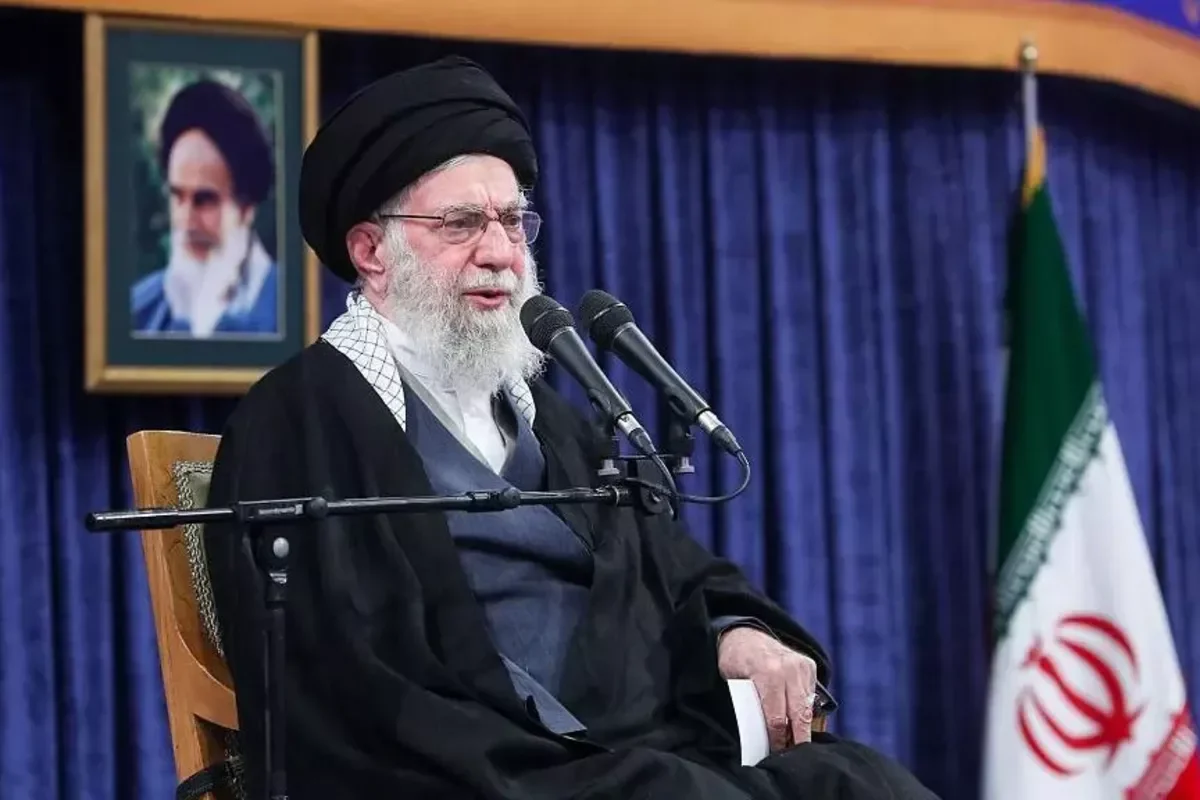
At the same time, the United States is managing a separate escalation track with Iran. Reporting on January 29 describes Iran’s foreign minister warning that Iranian forces are ready to respond “immediately and powerfully” to any aggression, while the United States moves significant forces into the region. The USS Abraham Lincoln is described as entering the U.S. Central Command area of responsibility, alongside other ships and aircraft, with U.S. officials emphasizing the need to protect tens of thousands of American troops in the region who are within range of Iranian drones and missiles. Trump has suggested strikes could be imminent unless Iran abandons its nuclear program, while U.S. officials cite demands tied to uranium enrichment, missiles, and support for aligned groups.
Iran’s internal situation adds volatility. The material provided describes nationwide protests beginning in late December 2025 and a severe crackdown, with contested casualty estimates and claims of an internet blackout. Whatever the exact numbers, the consistent point across the summaries is that Iran is under heavy internal strain while facing an external military buildup and public threats. That combination increases the risk of miscalculation, especially if either side believes time is running out.
Near-term outlook, based on the facts provided, points to tightening pressure rather than resolution. For Cuba, the new U.S. tariff mechanism is designed to deter oil suppliers, and Mexico’s pause suggests that deterrent effect may already be shaping behavior. For Iran, forward-deployed U.S. forces and public warnings increase the danger of a trigger event, including attacks on U.S. personnel, incidents at sea, or abrupt decisions tied to nuclear concerns. The core risk is that either crisis can escalate quickly once a single incident narrows choices.
