

Analysis Finds Bahrain Blast Likely Caused by U.S.-Operated Patriot Interceptor; Scrutiny Grows Over Separate Strike on Iranian Girls’ School
Source: Telegram
Executive Summary
A new technical analysis reviewed by Reuters concludes with “moderate-to-high confidence” that a U.S.-operated Patriot interceptor was involved in the March 9 Bahrain blast that injured civilians and damaged homes, contradicting the public framing of a straightforward Iranian drone strike. In parallel, international scrutiny is intensifying over an alleged U.S.-linked strike on a girls’ primary school in Minab, Iran, with UN and human-rights bodies calling for independent investigation as U.S. investigators reportedly assess likely U.S. responsibility but have not finalized conclusions.
Analysis
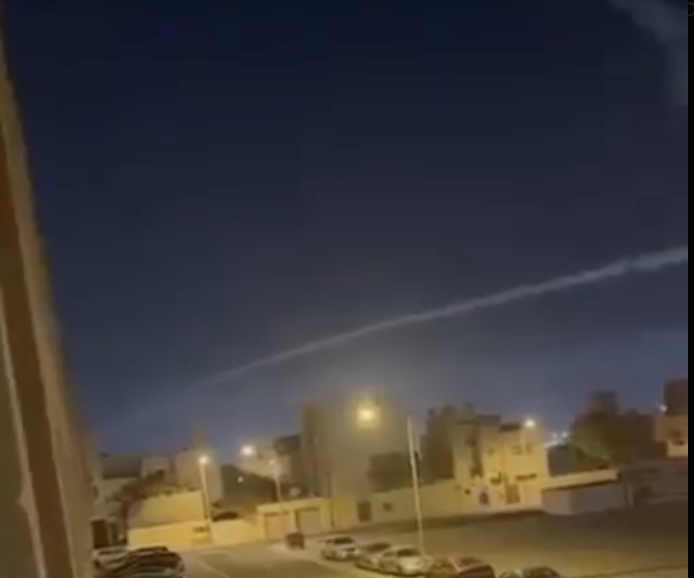
The Bahrain incident is now less about whether Iran attacked Bahrain and more about what happened after air defenses engaged. Reuters’ reporting on the academic analysis (Middlebury Institute researchers) indicates the blast in the Mahazza neighborhood on Sitra island likely involved a Patriot interceptor fired from a U.S.-operated battery near Riffa. The researchers based their conclusion on video analysis, satellite imagery, and a damage assessment that they say matches an interceptor malfunction or mid-air failure rather than debris solely from a drone intercept. Bahrain has acknowledged a Patriot system was involved but maintains it successfully intercepted an Iranian drone; U.S. officials have not provided a detailed public explanation of the mechanics.
Operationally, the significance is that even when air defenses “work,” a malfunctioning interceptor can still produce ground-level civilian harm and political blowback. Reuters also notes arrests in Bahrain tied to sharing information about the incident, which suggests sensitivity around the narrative and public documentation.
The Minab girls’ school strike has become the other major civilian-casualty flashpoint in the war’s early phase. Reuters reports the UN is investigating a strike on the Shajareh Tayyebeh primary school in Minab that Iranian officials say killed 168 children (mostly girls) and involved two consecutive missile impacts. Reuters separately reports that U.S. military investigators believe it is likely U.S. forces were responsible, though the investigation was not yet complete at the time of reporting. The UN Office of the High Commissioner for Human Rights published a statement from UN experts condemning the strike and citing reporting that at least 165 schoolgirls were killed. Amnesty International has also called for accountability and characterizes the strike as unlawful, citing 168 killed including more than 100 children.
Taken together, Bahrain and Minab show a common dynamic: the fastest-moving public narratives in a regional air war often outpace the forensic reality. In Bahrain, the question is whether a defensive interceptor caused the damage that was initially attributed to an incoming Iranian system. In Minab, the question is whether a U.S. strike package hit a civilian school site in error and how that targeting chain failed. Both cases are now driving calls for independent review, and both carry second-order risk in the information space: adversaries can use civilian harm—whether from misfire or mis-targeting—to justify escalation and widen support for retaliation.
