

F-15E Weapons System Officer Rescued Behind Enemy Lines in Iran by US Special Forces
EXECUTIVE SUMMARY
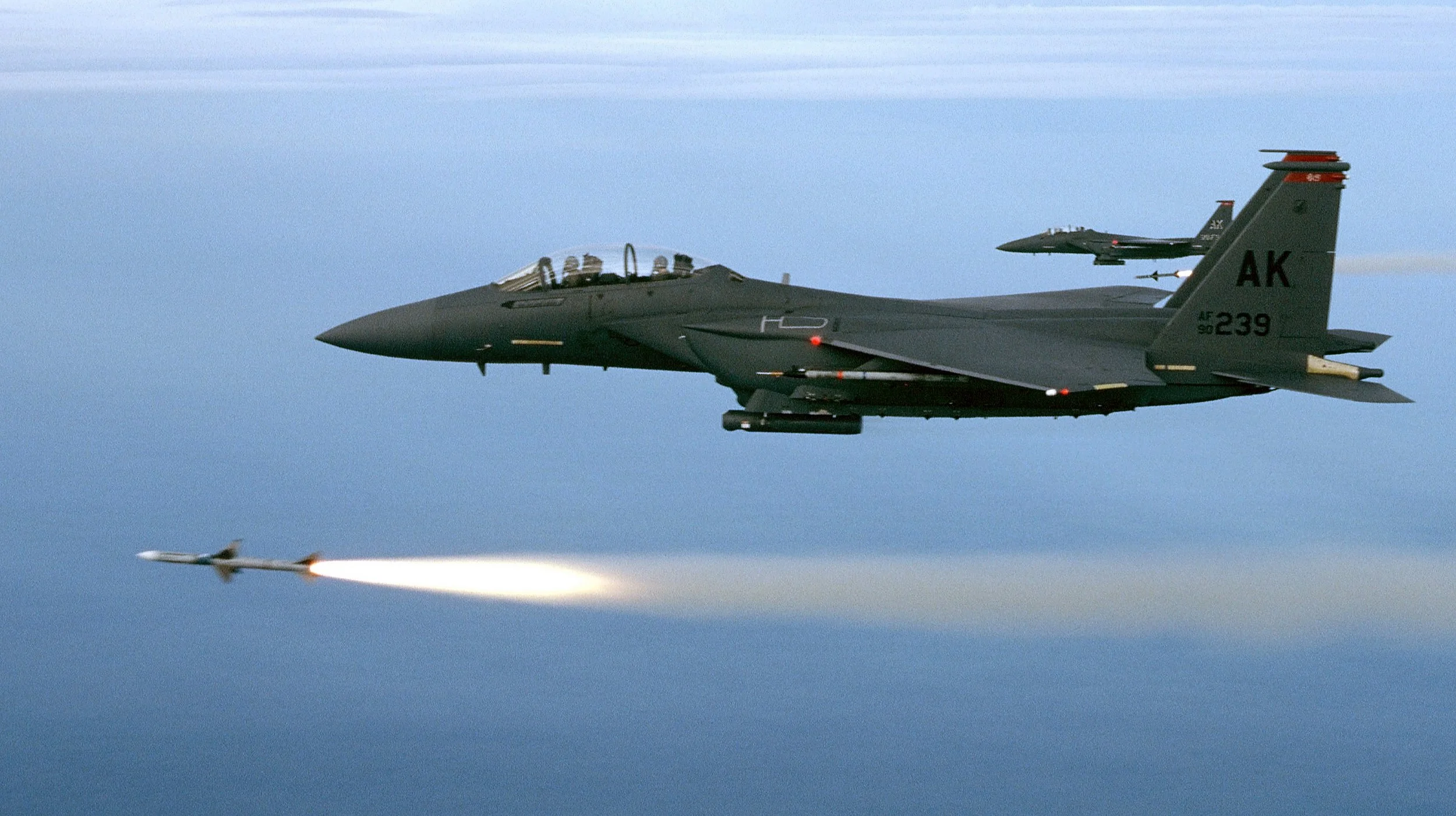
US special operations forces successfully extracted the missing F-15E Weapons System Officer (WSO) from inside Iran on April 5, completing the recovery of both crew members from the aircraft shot down April 3 over the Hengam and Qeshm Island area. The WSO, wounded after ejecting, evaded IRGC capture for more than a day in mountainous terrain at approximately 7,000 feet elevation. A specialized commando team supported by US aircraft conducted the extraction. The rescue marks the first successful combat search and rescue (CSAR) operation inside Iranian territory in the conflict and eliminates a significant intelligence and propaganda vulnerability for the United States.
ANALYSIS
The WSO's survival and evasion for over 24 hours demonstrated individual Survival, Evasion, Resistance and Escape (SERE) capability under extreme conditions. According to reporting, he was equipped with a pistol, a communication device, and a tracking beacon and scaled rugged terrain to a ridgeline before rescue forces reached him. The operation required heavy air cover to clear IRGC personnel from the area of operations, indicating that Iranian ground forces were actively competing to locate the officer. An Iranian provincial governor had reportedly offered a bounty for the airman's capture, signaling the IRGC understood the intelligence value of a living US crew member.
The rescue carries operational and diplomatic significance beyond personnel recovery. Prior to extraction, IRGC-aligned media ran claims that Iranian forces had destroyed US warplanes sent on the search and rescue mission, a pattern of information operations designed to undermine US deterrence messaging. President Trump publicly announced the rescue and described the airman as 'really brave,' framing the Easter Sunday extraction as an 'Easter Miracle.' The announcement, combined with Trump's simultaneous threat to strike Iranian power plants on Tuesday, suggests the White House is using the successful rescue to reinforce a posture of strength ahead of the April 6 deadline.
The IRGC separately announced it seized undamaged materials from at least one destroyed USAF helicopter, including 2.75-inch Hydra 70 rocket components. The juxtaposition of a successful US personnel recovery against an Iranian claim of US equipment capture illustrates the dual-track information environment both sides are operating. The IRGC has also begun painting kill marks on its Shahed-136 drones listing destroyed US radar systems including the AN/MPQ-65, AN/TPY-2, and AN/FPS-132 arrays as well as E-3 Sentry AWACS aircraft, a systematic effort to document and publicize US losses for recruitment and propaganda purposes.
