

Suspected Ricin Exposure in Hastings Prompts FBI Investigation and Building Evacuation
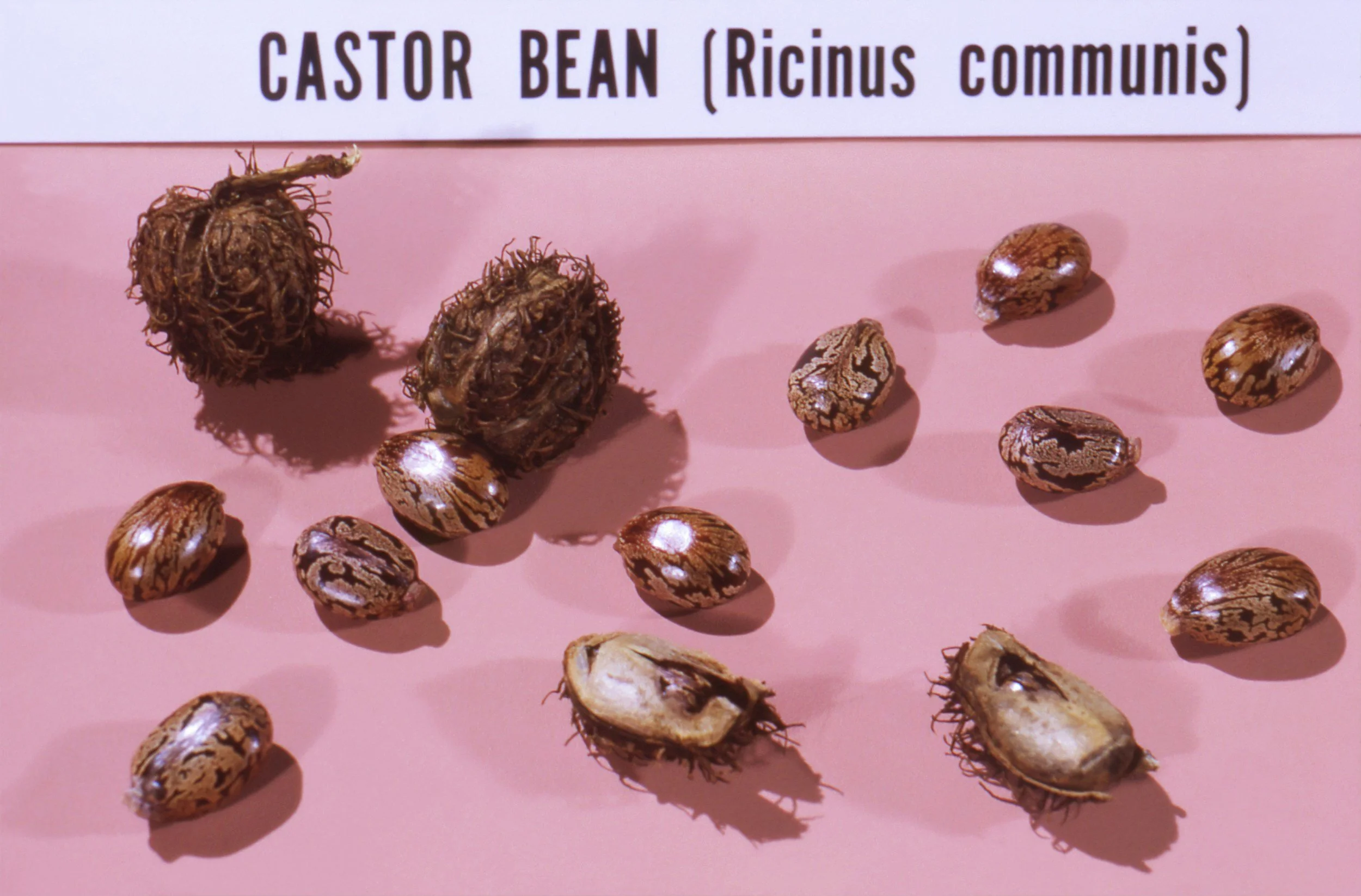
Source: Stock Image
EXECUTIVE SUMMARY
A patient arrived Thursday at Corewell Health Pennock Hospital in Hastings, Michigan showing signs consistent with ricin exposure, triggering the evacuation of Tyden Lofts apartment complex and a joint Federal Bureau of Investigation (FBI) and Michigan State Police investigation. Preliminary testing returned a positive indication for ricin. Confirmatory testing was ongoing as of Friday.
ANALYSIS
On September 10, 2026, a patient presented to the emergency department of Corewell Health Pennock Hospital in Hastings, Michigan with suspected exposure to ricin, a biological toxin derived from castor beans. Hospital staff isolated the patient immediately upon arrival. Preliminary testing conducted at the facility returned a positive indication for ricin, though officials stressed the result was preliminary pending additional confirmatory laboratory analysis. Barry-Eaton District Health Department was notified and began coordinating with state and federal partners.
Investigators identified Tyden Lofts, a residential apartment complex at 326 West State Street in Hastings, as the suspected point of origin for the exposure. Residents were evacuated and the American Red Cross established a displaced persons shelter at an off-site location. Health officials publicly stated that physically impacted areas had been contained and that there was no broader threat to the general public, though no information about the number of potentially exposed individuals or materials recovered at the site was released while the investigation remained active.
The Federal Bureau of Investigation (FBI) and Michigan State Police opened a joint criminal investigation. Ricin is a Schedule 1 toxic substance under the Chemical Weapons Convention and a Select Agent under the Biological Weapons Anti-Terrorism Act of 1989. Production, possession, or use of ricin with intent to harm is a federal felony under 18 U.S.C. 175c. There is no approved antidote for ricin poisoning, and lethal doses are extremely small. First responders and hospital personnel who made initial contact with the patient before decontamination protocols were established face potential secondary exposure risk, a standard concern in ricin-related incidents.
Whether the exposure was intentional or the result of an amateur synthesis attempt had not been publicly confirmed by Friday afternoon. Both scenarios fall under federal jurisdiction. Hastings is the county seat of Barry County in western Michigan, with a population of approximately 7,000. Chemical, biological, radiological, and nuclear (CBRN) events originating in occupied residential buildings require rapid assessment of secondary exposure pathways, coordination between local emergency management, public health, and federal law enforcement, and careful management of public information while the investigation is active.
SOURCES
