

TKP-ML TIKKO Statement Signals Continued Support for India’s Maoist Insurgency Amid Heavy Losses
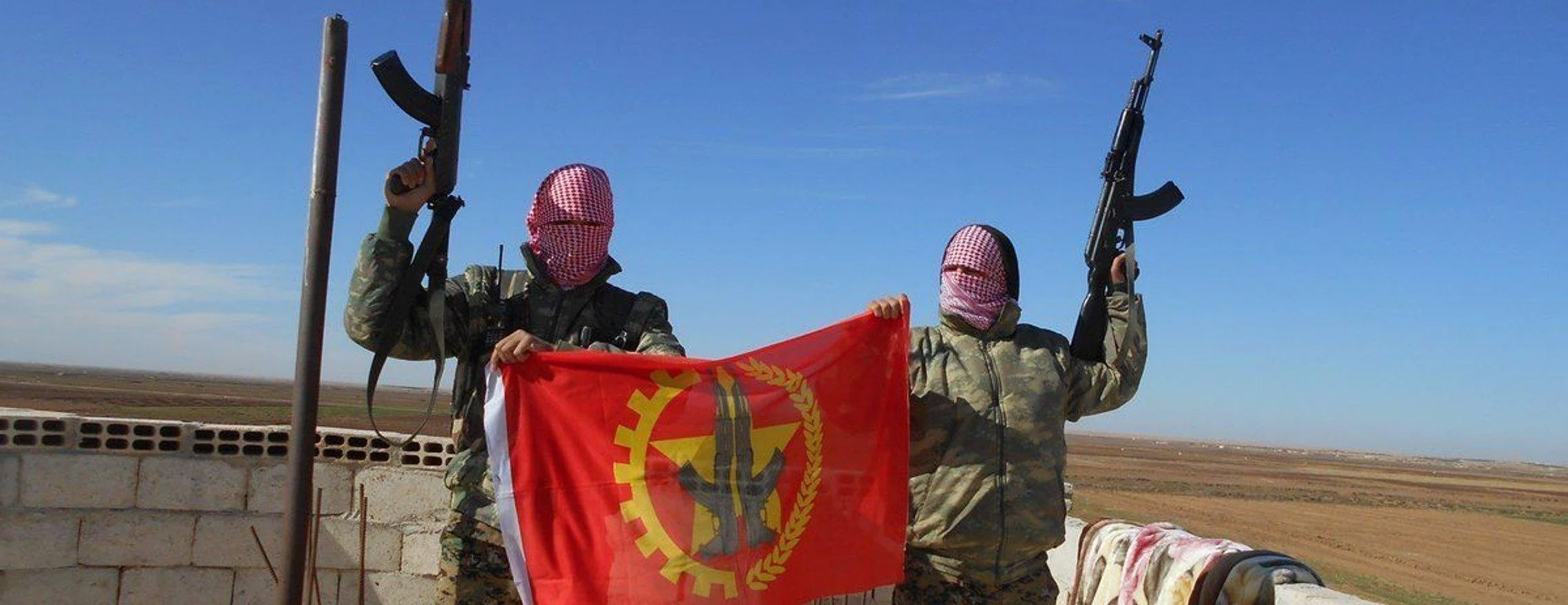
Source: Abolition Media
Executive Summary
A new statement from TKP ML TIKKO, the armed wing of a Turkish Maoist organization, publicly reaffirms solidarity with India’s Communist Party of India (Maoist) and its People’s Liberation Guerrilla Army (PLGA), praising their 25 years of armed struggle and condemning recent Indian counterinsurgency operations. The message frames India’s ongoing “Operation Kagaar” as part of a global campaign to eliminate armed leftist movements, while portraying recent PLGA deaths and leadership losses as sacrifices that will strengthen resolve rather than weaken the broader Maoist movement.
Analysis
The statement reflects how transnational Maoist groups use ideological messaging to reinforce morale and maintain alignment with armed movements abroad. TKP ML TIKKO celebrates the PLGA anniversary, casts Indian security operations as “fascist,” and commemorates the deaths of senior insurgent leaders. This messaging is designed to boost the legitimacy of the Indian Maoist insurgency, which has suffered major operational losses in recent months while facing one of the largest counterinsurgency offensives in its history.
TKP ML TIKKO praises the PLGA’s role as “the fighting force of all oppressed laborers,” linking the Indian Maoist movement to a global revolutionary narrative and celebrating its founding under Charu Mazumdar.
The group cites “Operation Kagaar,” claiming India has mobilized roughly eight hundred fifty thousand personnel across police, army, and air forces to encircle and destroy Maoist guerrillas.
The statement lists key leadership losses, including Comrade Basavaraj, the General Secretary of CPI (Maoist), and Central Committee member Madvi Hidma, portraying their deaths as heroic sacrifices that will accelerate revolutionary struggle.
TKP ML TIKKO condemns alleged defectors within Maoist ranks, framing them as traitors whose actions create “ideological chaos,” highlighting internal fractures within the movement.
The message also situates India’s Maoist conflict within a broader anti imperialist framework, arguing that governments worldwide are intensifying campaigns against armed leftist movements. TKP ML TIKKO references counterinsurgency efforts in the Philippines and the Middle East to claim a coordinated global attempt to “disarm workers and peasants,” signaling an ideological effort to unite disparate militant groups under a shared worldview. This messaging appears aimed at ideological recruitment, transnational solidarity, and countering narratives that the Maoist insurgency is weakening under sustained military pressure.
