

Iran Retaliates Regionwide After U.S.-Israel Strikes, Targeting Gulf Bases and Israel as Airspace Closes
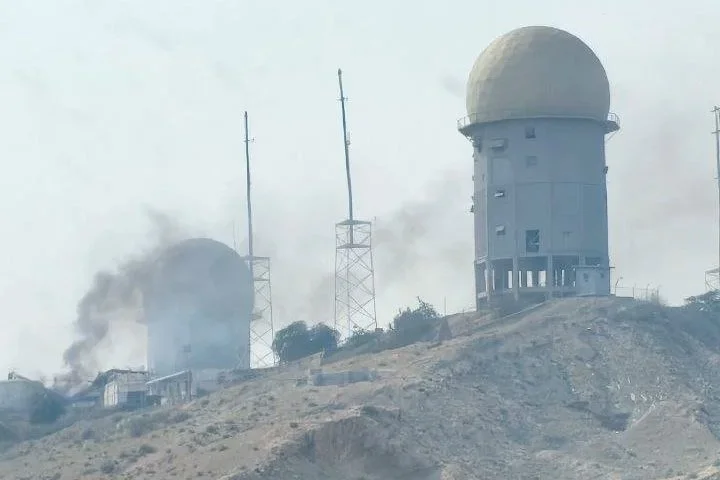
Source: Telegram
Executive Summary
Iran launched a coordinated retaliatory wave after U.S. and Israeli forces began major strikes on Iran on February 28, hitting at U.S. bases and partner states across the Gulf while also sending missiles toward Israel. Gulf governments reported multiple interceptions, the UAE reported one death in Abu Dhabi from falling debris, and regional aviation hubs began suspending flights as airspace restrictions spread. Officials have confirmed the death of Iran’s supreme leader Ayatollah Khamenei as a result of strikes in the region.
Analysis
This is one unfolding escalation, told through different lenses: the initial U.S.-Israel strike decision, Iran’s immediate retaliation plan, and the rapid regional fallout.
U.S. and Israeli strikes on Iran triggered near-immediate Iranian retaliation focused on two target sets: U.S. regional basing and Israel. The New York Times reports Iran’s semi-official Fars claimed strikes against Al Udeid Air Base in Qatar, Ali Al Salem Air Base in Kuwait, Al Dhafra Air Base in the United Arab Emirates, and the U.S. Fifth Fleet headquarters in Bahrain. Qatar and the UAE reported intercepting multiple waves of missiles. The UAE said debris fell into a residential area in Abu Dhabi, killing one person and causing property damage. Saudi Arabia publicly condemned the strikes on Gulf states, framing them as a sovereignty violation.
In Israel, the same Times reporting describes impact and debris sites across multiple locations and limited injuries, with Israel’s emergency service stating some injuries occurred while moving to shelters rather than from direct hits. Jordan reported intercepting two ballistic missiles that entered its airspace, underscoring how quickly the engagement affected states not directly targeted.
Second-order effects hit quickly. The Times reports airspace closures and major airline disruption, including temporary suspensions by Qatar Airways and Emirates at their core hubs. Syria announced closure of southern air corridors for a defined period and rerouted traffic. The Associated Press live updates reinforce the same operational picture: a broad strike and retaliation cycle driving air defense activity, aviation disruption, and fast-moving international reactions.
The political layer is consistent across the New York Times explainer and briefing coverage. The Department of Defense labeled the strikes “Operation Epic Fury,” and both President Trump and Prime Minister Netanyahu publicly framed the operation in regime-change terms, urging Iranians to take control of their government after the strikes.
