

Gunman Fires on Secret Service Checkpoint at White House; Attacker Fatally Shot
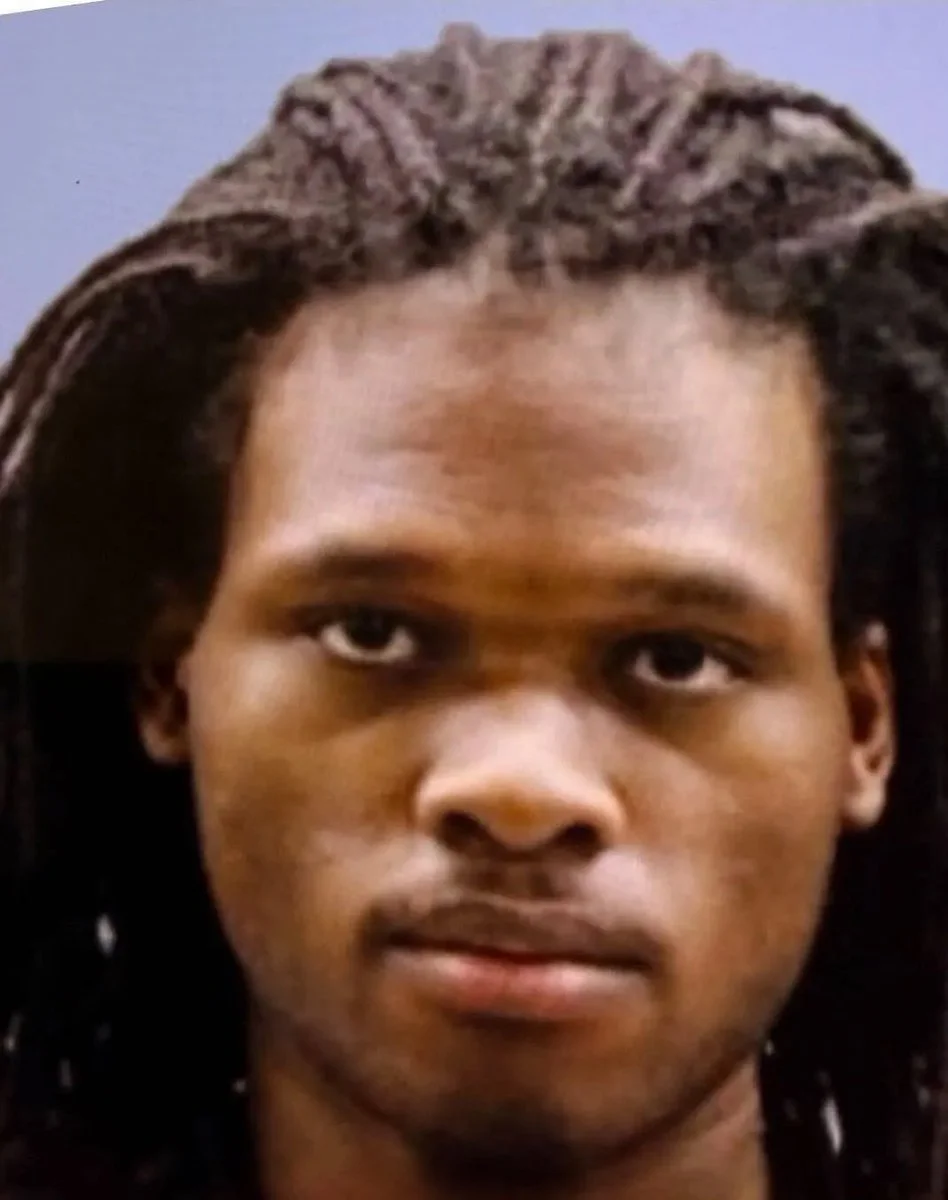
Nasire Best/Source: X | @sentdefender
EXECUTIVE SUMMARY
On May 23, a 21-year-old man opened fire on Secret Service officers at a checkpoint near the White House before being fatally shot by officers. The attacker had a documented mental health history and prior perimeter contact with the Secret Service. The incident is the third gunfire event near President Trump in under 30 days. No Secret Service officers were injured; one bystander was wounded.
ANALYSIS
Nasire Best, 21, of Dundalk, Maryland approached the Secret Service checkpoint at 17th Street and Pennsylvania Avenue NW at approximately 6:10 p.m. on May 23. He produced a firearm from a bag and opened fire on officers. Officers returned fire. Best was transported to hospital and pronounced dead. One bystander was wounded. Trump was in the White House at the time and was not impacted. No Secret Service personnel were injured.
Best had a prior documented relationship with the White House security environment. He was arrested in July of the prior year after entering a restricted perimeter while claiming to be Jesus Christ. He was known to the Secret Service for circling the complex and inquiring about access at various entry posts. Five senior law enforcement officials confirmed a documented mental health history predating the attack.
The May 23 attack is the third gunfire incident at or near President Trump in a period of less than 30 days. This frequency is analytically significant regardless of whether the incidents are operationally linked. The pattern suggests either a heightened ambient threat environment around executive branch infrastructure or a copycat contagion dynamic in which each high-profile incident lowers the threshold for subsequent actors.
The attack raises operational questions about checkpoint interdiction capacity when a known threat actor with prior perimeter contact retains access to public approaches. Best was previously arrested at the White House and remained on the proximity threat radar of the Secret Service, yet no intervention occurred between his prior arrest and the May 23 shooting. The gap between documented threat awareness and proactive interdiction reflects resource constraints and civil liberty limitations on preemptive detention, but it is a gap that cost a bystander a gunshot wound and could have cost more.
The psychiatric history angle connects to a pattern documented in SI reporting during May 2026, in which individuals with prior involuntary psychiatric contact executed attacks in the weeks or months following discharge or reduced monitoring. Whether Best was in active mental health treatment or had recently cycled through a system is not yet confirmed publicly. That detail, when released, will be material to a threat pattern assessment for government facilities nationwide.
SOURCES
