

Physical Security Assessment: What It Covers and Why It Matters
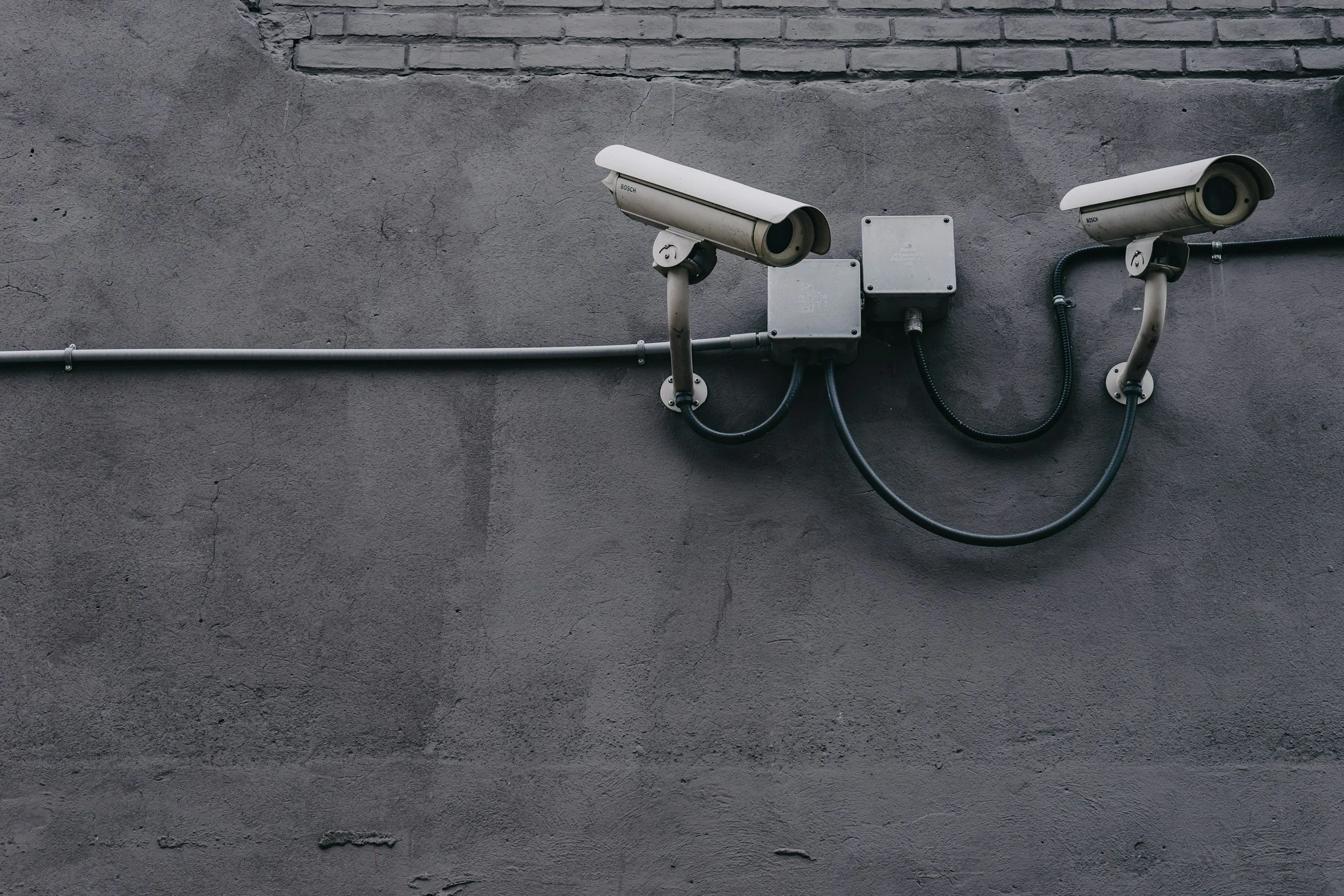
Physical security is not simply about locks, cameras, and access control. At its core, it is about understanding the threat environment well enough to make informed protective decisions. A physical security assessment is the structured process that makes that understanding possible.
This article explains what a professional physical security assessment examines, how intelligence informs the process, and why organizations commission them — both as a proactive measure and in response to a specific concern.
What Is a Physical Security Assessment?
A physical security assessment is an evaluation of the threats, vulnerabilities, and risks facing a specific person, facility, organization, or operational environment. Unlike a facilities audit — which inventories physical controls like lighting, locks, and surveillance coverage — a security assessment is threat-driven. If you are new to how the assessment process works, our guide to what a threat assessment involves covers the foundational methodology that applies here.
That distinction matters. A facilities audit can tell you that a loading dock has a blind spot. A physical security assessment can tell you whether that blind spot is operationally significant given the specific threat picture for your organization, your location, and your people.
What a Physical Security Assessment Covers
Threat Identification
The assessment begins by defining the threat landscape. Who or what poses a risk in this context? This may include individuals with a documented grievance, protest or civil unrest activity, organized criminal targeting, opportunistic crime, or targeted violence. For corporate environments, insider threat is also a relevant category. Threat identification is not a generic list. It is specific to the organization, its principals, its operations, and its geography.
Vulnerability Analysis
With a defined threat picture, analysts evaluate where the organization or facility is exposed. This includes physical vulnerabilities — access points, surveillance gaps, perimeter weaknesses — but also operational ones: predictable routines, publicly available information about executive movements, inadequate protocols for responding to a threat communication. Vulnerability analysis connects the threat picture to specific protective gaps.
Intelligence Collection and Review
A rigorous security risk assessment draws on open-source intelligence. Analysts review publicly available information relevant to the threat picture: social media activity by individuals of concern, local incident history, geopolitical developments affecting the operational environment, and any prior communications or incidents involving the organization. Our physical security intelligence support covers exactly this kind of ongoing collection for corporate teams who need a continuously updated threat picture, not just a point-in-time snapshot.
Risk Prioritization
Not every vulnerability represents an equal risk, and not every threat requires the same response. An experienced analyst weights threats by likelihood and consequence, producing a prioritized picture that tells decision-makers where to focus resources. The Tripwire feature in Semper Incolumem's Intelligence Platform applies this prioritization logic to the continuous intelligence stream — surfacing only the signals that demand immediate analyst attention.
Recommendations
A well-constructed assessment concludes with specific, actionable recommendations. These may include changes to physical security controls, updates to operational protocols, additional monitoring requirements, or a recommendation for a more targeted threat assessment report focused on a specific individual or situation. Vague guidance is not useful. Recommendations should be specific enough to assign responsibility and measure implementation.
The Role of Intelligence in Physical Security
Physical security decisions made without an intelligence picture are reactive by definition. Organizations that commission assessments only after an incident has occurred are operating without the information they needed before it happened.
Open-source intelligence provides the analytical foundation for a proactive physical security posture. It surfaces pre-incident indicators — behavioral patterns, communications, and events that precede targeted violence or other serious incidents — before those indicators become crises. For corporate security teams managing executive protection programs, facility security, and event security simultaneously, ongoing intelligence is not a luxury. It is the infrastructure that makes everything else more effective.
This is the difference between a one-time security risk assessment and a continuous intelligence capability. Both have their place. Organizations with ongoing threat exposure — high-profile executives, geographically distributed operations, regular public events — typically need both: a periodic assessment to establish the baseline, and the Semper Incolumem OSINT Platform to track changes to that baseline continuously.
When to Commission a Physical Security Assessment
The most common triggers for a physical security assessment include:
Establishing a security baseline for a new facility, executive protection program, or organizational security function
A specific incident or threat communication that requires documented analysis
Changes in the operational environment — a significant company event, a geopolitically sensitive business expansion, or a workforce reduction that elevates insider threat risk
Due diligence requirements for insurance, compliance, or board-level reporting
Pre-event security planning for a high-profile gathering, public appearance, or executive-attended conference
Organizations also commission assessments periodically as a matter of standard practice — not because a specific threat has emerged, but because having a documented, analyst-produced threat picture is part of sound security governance.
Analyst-Led vs. Self-Administered Assessments
Template-based assessments and self-administered checklists are widely used, particularly in smaller organizations. They provide a starting point and can surface obvious gaps. Their limitation is analytical: they cannot evaluate the significance of a threat indicator, weigh source credibility, or distinguish between a behavioral pattern that warrants immediate attention and one that does not.
For decisions where the consequence of getting it wrong is serious — executive safety, large-scale event security, a credible threat communication — analyst judgment is the methodology. An experienced analyst evaluating a corporate security risk assessment will ask different questions, weight evidence differently, and produce recommendations grounded in actual threat intelligence rather than general risk frameworks.
Physical Security Intelligence for Corporate and EP Teams
Semper Incolumem provides analyst-led physical security intelligence for corporate security teams, executive protection professionals, and organizations operating in complex threat environments. Our analysts combine open-source intelligence tradecraft with structured analytical methodology to produce assessments that are clear, current, and decision-ready.
If you are evaluating your organization's physical security posture or managing a specific threat situation, request a focused threat assessment to discuss scope and timeline.
