

US and Israel Preparing Joint Strikes on Iranian Energy Infrastructure This Weekend
EXECUTIVE SUMMARY
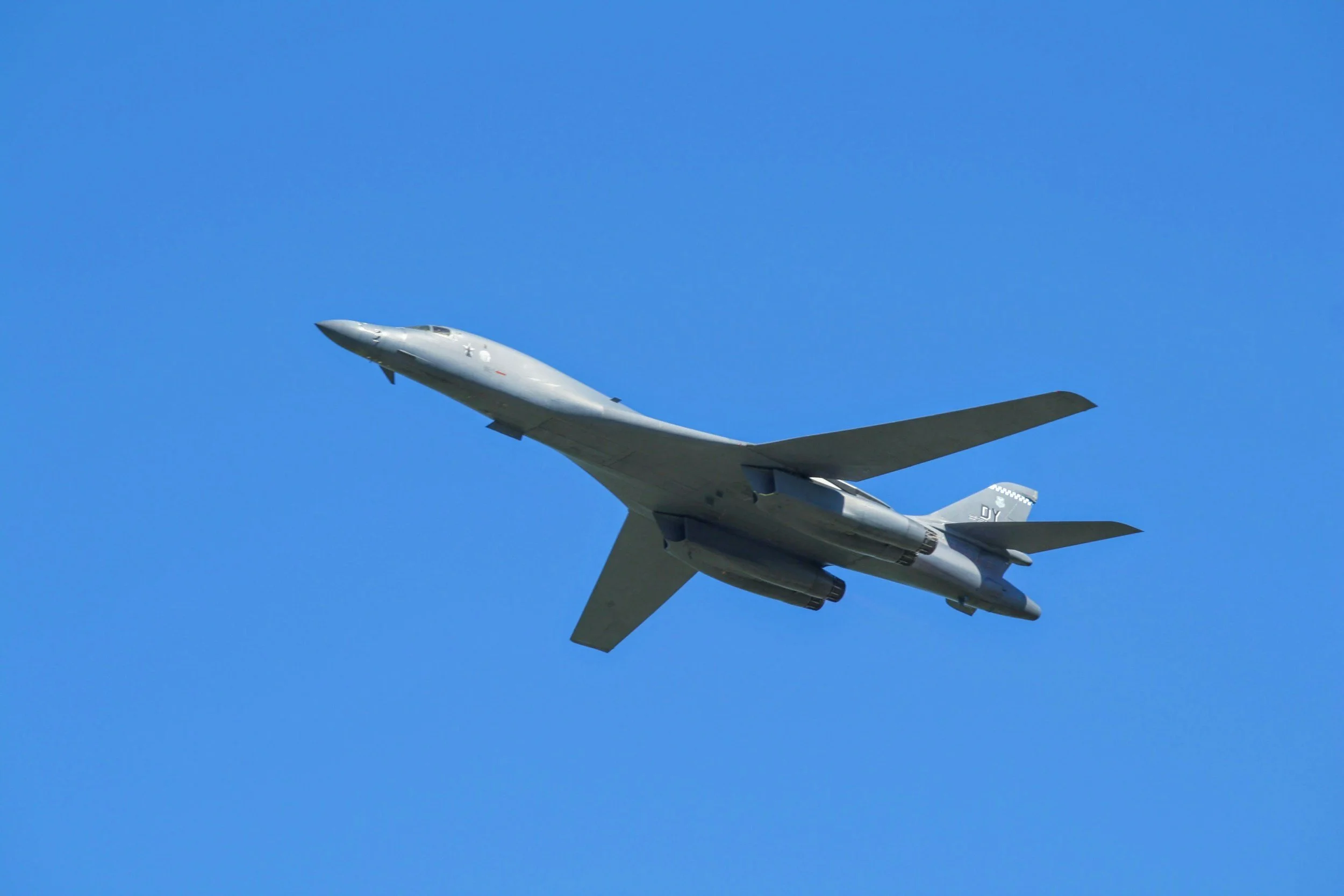
CBS News, The Wall Street Journal, and Axios all reported Friday, citing US officials, that the United States and Israel are coordinating what could be the most expansive bombing campaign of the conflict against Iranian energy infrastructure, including power plants and refineries, with strikes possible as early as this weekend. President Trump had not yet signed final execution orders as of Friday afternoon. The Israeli military, which paused independent offensive operations after a US-brokered arrangement that Iran subsequently violated, is expected to participate in the joint operation.
ANALYSIS
The reported target set marks a significant escalation from all previous US strike packages. Prior operations targeted air defense systems, Islamic Revolutionary Guard Corps (IRGC) command facilities, missile and drone production sites, and the Darkhovin nuclear research complex. Shifting to civilian energy infrastructure, including power generation plants and operating petroleum refineries, introduces a different risk calculus: large-scale civilian disruption inside Iran, significantly greater international condemnation, and a more severe Iranian retaliatory response across military, cyber, and proxy channels simultaneously.
Israeli re-engagement is the most operationally significant element of the reported plan. Israel suspended its own offensive strikes following an interim US-brokered arrangement in mid-July, a pause Iran violated by continuing drone and missile attacks on US facilities in the region. Israeli participation would formalize a coordinated joint targeting strategy and bring Israeli strike platforms, including F-35 and F-15 aircraft, into the operation alongside US assets. US Central Command (CENTCOM) has maintained air superiority and layered missile defense in the Gulf region throughout the conflict. CBS News reported that Israeli leadership has been notified and is coordinating with Washington.
Iran has conducted 26 phases of what it calls Operation Thunder against US military installations in Bahrain, Kuwait, Jordan, and Qatar since the conflict began. The IRGC struck Sheikh Isa Air Base in Bahrain this week in the 26th phase. CENTCOM continues to intercept the majority of Iranian drone and missile attacks, but some have reached facility perimeters and disrupted operations. Separately, Iran claimed the destruction of three US F-35 aircraft at Jordan's Azraq Air Base, a claim CENTCOM categorically denied, stating that no US aircraft were destroyed or damaged in recent Iranian attempts.
Oil markets are a primary constraint on the timing and scope of the planned strikes. CBS News reported that US officials discussed calibrating the operation to conclude before financial markets open Monday due to concern about price effects on US and global economies. Iran produces roughly 3 million barrels of crude per day. Striking refining and power generation capacity would degrade Iran's ability to sustain its own military operations but would compound supply disruptions already underway. The Houthi-directed shutdown of the Aramco Jazan refinery and Abqaiq crude processing facility in Saudi Arabia has already removed a combined tens of millions of barrels of daily refining capacity from global markets, and an Iranian energy strike could push oil significantly higher.
Iran's asymmetric response capability has already been activated in parallel with its conventional military campaign. The coordinated cyberattack on water utilities across seven US states, assessed by US intelligence agencies as a probable CyberAv3ngers and IRGC operation, is the most direct domestic signal of Iran's willingness to target US infrastructure in retaliation for US kinetic action. Striking Iranian energy infrastructure will almost certainly produce an intensified and broadened cyber response. Previous Iranian cyber campaigns following US military actions have targeted financial sector systems, transportation networks, and critical utilities. The current water sector targeting represents an escalation toward systems with the most direct public safety consequence.
The domestic threat posture in the United States is elevated at this stage of the conflict. Intelligence assessments have historically identified Iran as maintaining access to Hizballah-linked networks and IRGC-directed proxy cells in the continental United States and Canada that can be activated during periods of direct confrontation. The Matar conviction and Hasna financing charge, both resolved this week, illustrate that Iran-backed organizations retain active infrastructure in Western countries even absent an active direction order. Joint Terrorism Task Forces and fusion centers should anticipate that any large-scale US energy strike on Iran will be followed by attempts to activate dormant or previously cautious Iran-aligned actors on US soil and in allied nations.
The next 72 hours represent a threshold decision point for the conflict. If President Trump authorizes the energy strikes, the US-Iran confrontation will enter a phase of direct energy warfare with cascading market, humanitarian, and retaliatory implications that will define the security environment for months. If authorization is delayed or strikes are constrained to military targets only, Iran may interpret the restraint as an opportunity to continue its asymmetric pressure campaign while seeking a diplomatic off-ramp. Either path carries significant homeland security implications that require a proactive posture adjustment at federal, state, and local levels now, before a strike order is issued.
SOURCES
